
Step into a time capsule of warmth and nostalgia as we explore the heart of the home. From vintage linoleum to avocado appliances, these kitchens tell the stories of our lives. Ready to take a delicious trip down memory lane?
The 1950s: Pastel Perfection and the Chrome Revolution
The 1950s introduced a candy-colored dreamscape into the American home. Kitchens were transformed with bubblegum pink, seafoam green, and powder blue appliances that gleamed with heavy chrome detailing. This was the era of the 'dream kitchen,' where the advent of the built-in wall oven and the electric dishwasher promised a future of leisure. Formica countertops with 'boomerang' patterns became the ultimate status symbol, usually edged in shiny aluminum.
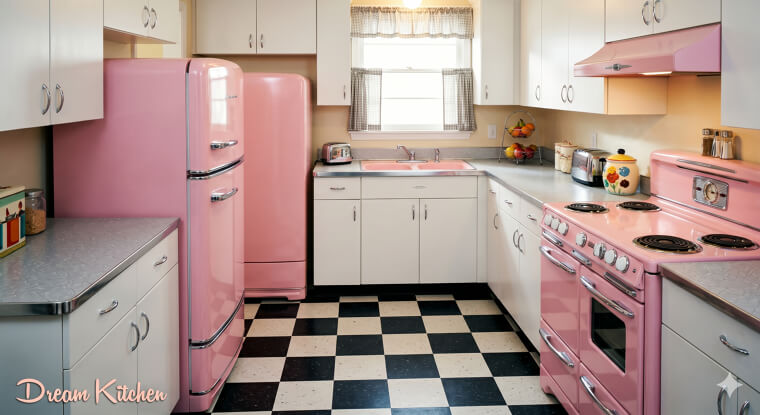
Moms in pleated skirts flip-flopped across black-and-white tiled floors, while children sat on vinyl-topped chrome stools sipping milkshakes, embodying the optimistic, post-war suburban lifestyle.
The 1960s: Wood Grains and the Advent of Avocado Green
As the 1960s took hold, the clinical brightness of the fifties gave way to warmer, earthier tones. Natural wood cabinetry became immensely popular, often paired with the first wave of 'Avocado Green' and 'Harvest Gold' appliances. This decade saw the kitchen open up to the rest of the house, with breakfast bars becoming the go-to spot for quick family meals. Wall-to-wall carpeting even made a brief appearance.
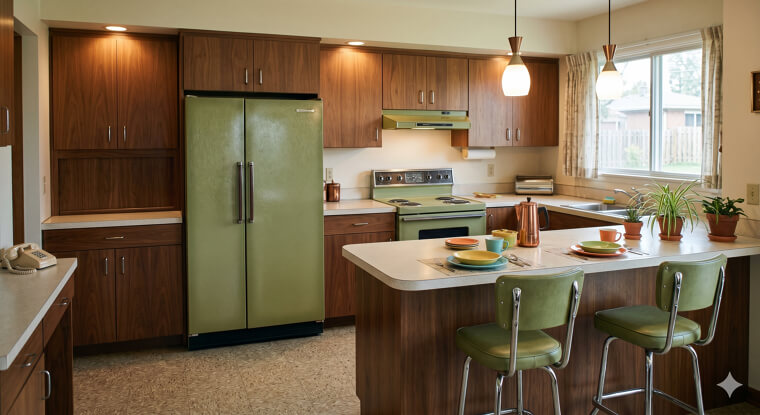
It was a time of experimentation, where pop-art canisters sat next to traditional copper molds, reflecting a generation caught between classic tradition and modern rebellion.
The 1930s: Cheerful Oilcloths and Depression-Era Resilience
Despite the economic hardships of the 1930s, the family kitchen remained a place of colorful defiance. Brightly patterned oilcloths covered worn wooden tables, protecting them while adding a splash of much-needed cheer. Flour sacks were often repurposed into curtains or aprons, showcasing the incredible ingenuity of the era’s homemakers. Iconic photos often show families huddled near the radio on the kitchen counter, listening to fireside chats while snapping green beans.
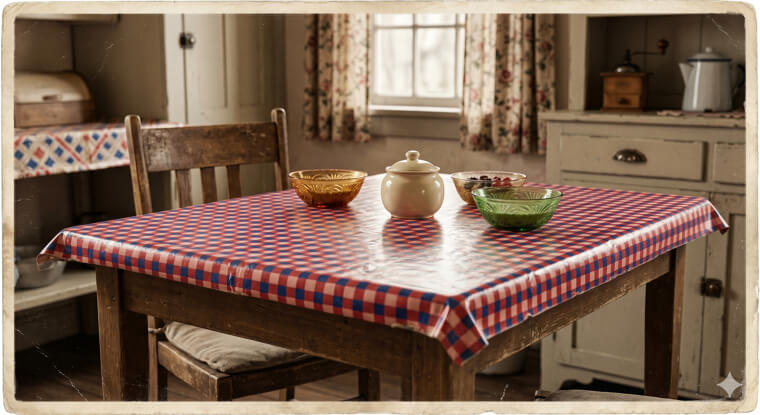
The introduction of the 'Streamline Moderne' style brought softer, rounded edges to the few new appliances available, making the room feel slightly more modern and hopeful.
The 1980s: High-Gloss Laminate and the Microwave Age
The 1980s ushered in an era of sleek surfaces and technological advancement. High-gloss white laminate cabinets with oak pull-tabs were the height of fashion, creating a clean, 'European' look. This was the decade when the microwave oven became a kitchen essential, often housed in its own dedicated cubby. Neon accents and glass block walls added a touch of Miami chic to suburban homes. Large, walk-in pantries became luxury items.
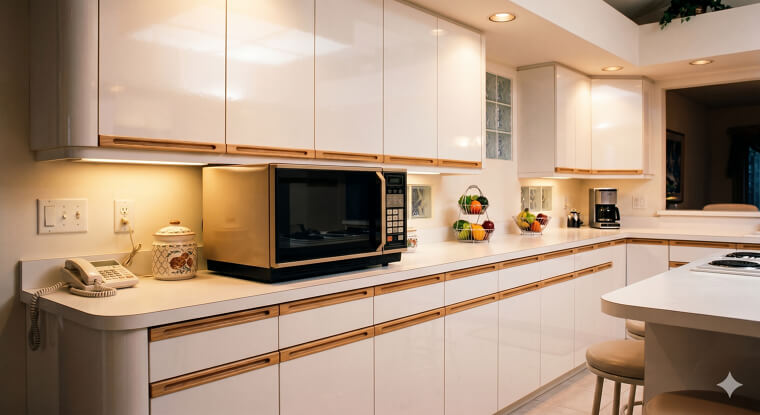
The 'country kitchen' trend also emerged, featuring ruffled curtains and goose motifs to provide a soft contrast to the decade's louder, more aggressive design choices.
The 1970s: Earth Tones and Shag Carpet Accents
The 1970s kitchen was a masterclass in brown, tan, and burnt orange. Dark wood 'Mediterranean' style cabinets were often paired with heavy, ornate hardware and faux-brick backsplashes. Macramé plant hangers dangled from the ceiling, holding spider plants that thrived in the steam of the stove. The kitchen island started to become a permanent fixture, often topped with butcher block wood for a rustic, 'back to nature' feel.
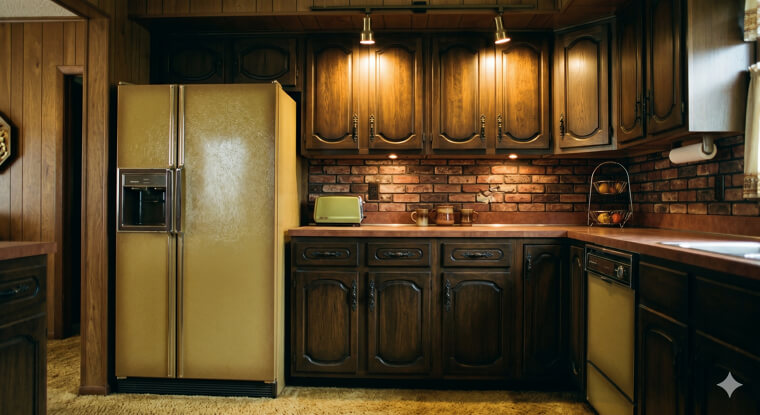
Wallpaper featured massive floral prints or whimsical mushrooms, creating a cozy atmosphere where families spent hours playing board games and sharing fondue under amber-colored glass pendant lights.
The 1990s: Oak Everywhere and the Shabby Chic Influence
In the 1990s, honey oak cabinetry reigned supreme, appearing in nearly every new build across the country. This decade embraced the 'shabby chic' aesthetic, with distressed white furniture and floral wallpaper borders that ran along the top of the walls. Granite countertops began their ascent to the top of the wish list, though many families still opted for durable Corian. It was the era of the 'Great Room.'
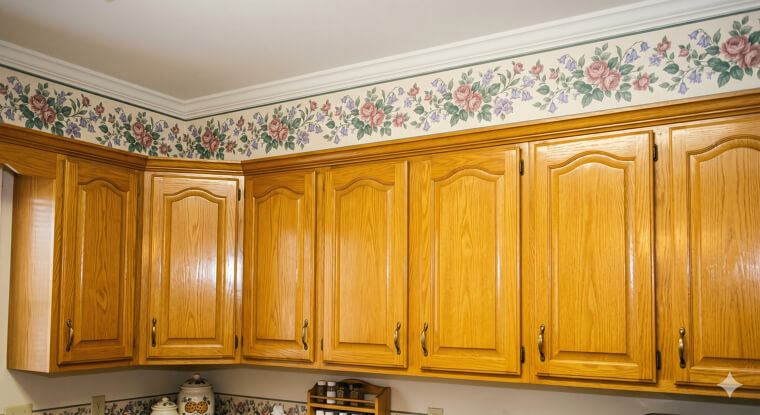
Large, stainless steel refrigerators started to appear, signaling a shift toward professional-grade appliances for the everyday home cook.
The 1940s: Patriotic Pantries and Victory Garden Harvests
During the 1940s, the kitchen became a headquarters for the war effort at home. Metal was scarce, so wooden cabinetry remained king, often painted in soft whites or creams with bold red or blue accents. Families proudly displayed jars of preserved vegetables from their Victory Gardens on open shelving. This was the decade of the 'work triangle' concept, designed to make cooking more efficient for busy women.
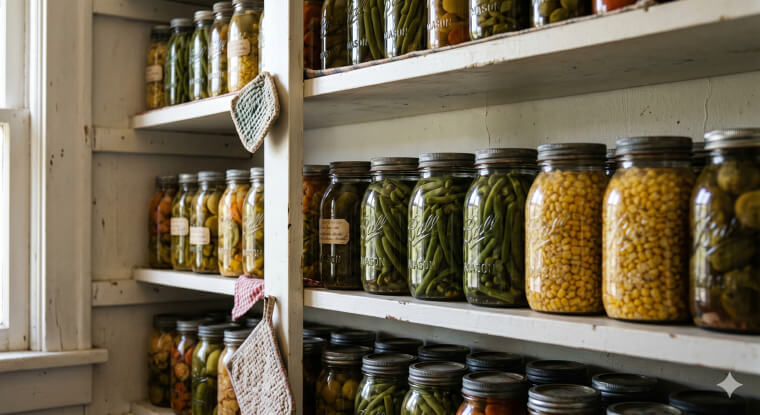
Linoleum floors with checkered patterns became a staple, providing a durable surface for the many hours spent canning and preparing hearty, ration-conscious meals.
The 1940s: Linoleum Rugs and Floral Borders
A unique feature of the 1940s kitchen was the 'linoleum rug'—a pre-printed sheet of flooring designed to look like a woven carpet, complete with decorative borders. These were incredibly popular because they were easy to mop and much cheaper than actual rugs. Wallpaper borders featuring cherries, roosters, or teapots were often applied at shoulder height, adding a touch of domestic whimsiness to the space during difficult years.
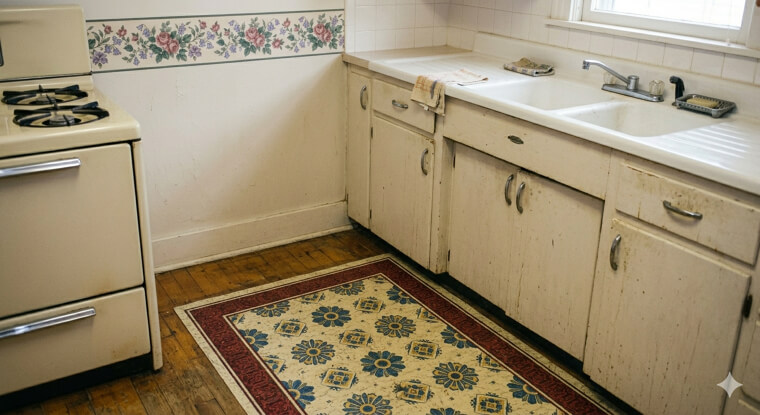
Despite the wartime shortages, women took great pride in these small decorative touches, using bright paint to refresh old chairs and sewing colorful 'cafe curtains' for the family sanctuary.
The 1970s: The 'Country Kitchen' and Wood-Paneled Walls
The 1970s wasn't just about bold colors; it was also about the 'Country' aesthetic that brought a sense of rural charm to the suburbs. Many kitchens featured dark wood paneling on the walls, mimicking a cozy cabin feel. Copper pots were not just tools but decor, displayed on wrought iron racks. The 'Harvest Gold' refrigerator was often covered in magnets and family photos, serving as the household's center.
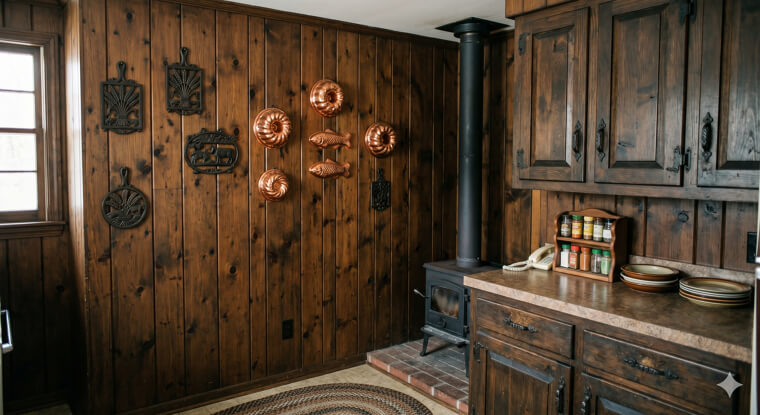
Large, heavy wooden tables were the site of many 'TV dinners' and school projects, surrounded by chairs with rush-woven seats that added a tactile, earthy element to the room.
The 1960s: The Iconic 'Cone' Fireplace in the Kitchen
In the late 1960s, a bizarre but stylish trend emerged: the freestanding 'cone' fireplace, occasionally placed right in the corner of a large kitchen. Usually finished in bright orange or red enamel, these fireplaces added a 'ski chalet' vibe to the suburban home. This trend emphasized the kitchen’s role as the emotional and literal 'hearth' of the house. Families would sit nearby on floor cushions during dinner prep.
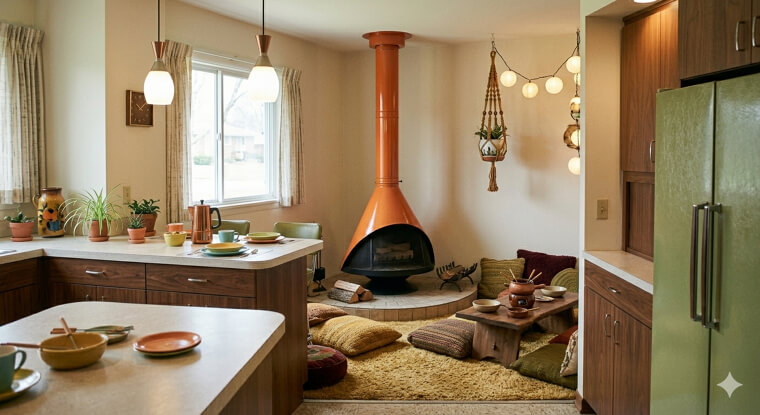
It was a peak example of how 1960s design prioritized atmosphere and 'vibes' alongside functionality, especially when the mother prepared fondue or modern, experimental casseroles for the family.
The 1990s: The Tuscan Villa Trend
Toward the end of the 1990s, the 'Tuscan' look took the design world by storm. Kitchens were suddenly filled with 'distressed' plaster walls in shades of ochre and terracotta. Ornate wrought-iron pot racks hung from the ceiling, and backsplash tiles featured hand-painted olives or grapevines. This trend was a reaction against the sleek, cold surfaces of the 80s, aiming instead for a warm, 'old world' Mediterranean feel.
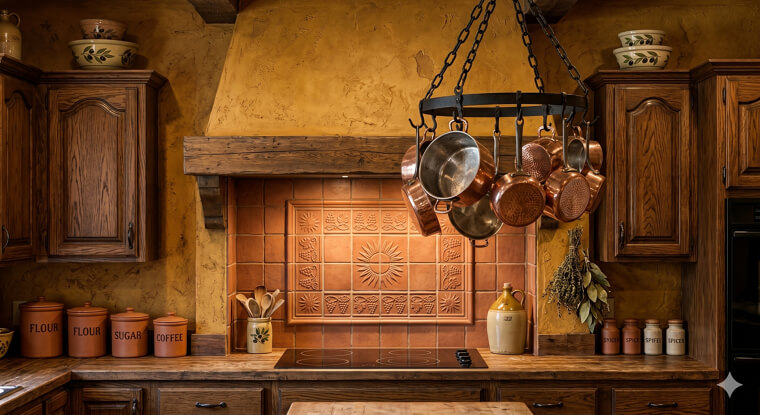
It was the era of the oversized espresso machine and large bowls of lemons sitting on granite islands, recreating the feeling of a sun-drenched Italian vacation.
The 1950s: Lucille Ball’s Iconic Breakfast Nook
Lucille Ball was famously known for her love of a functional yet stylish kitchen. In the 1950s, her personal kitchen reportedly featured a cozy breakfast nook with tufted leather benches, a place where she and Desi Arnaz would go over scripts over coffee. The space was filled with the latest copper cookware, hanging prominently to show off a blend of Hollywood glamour and domestic bliss in her home.
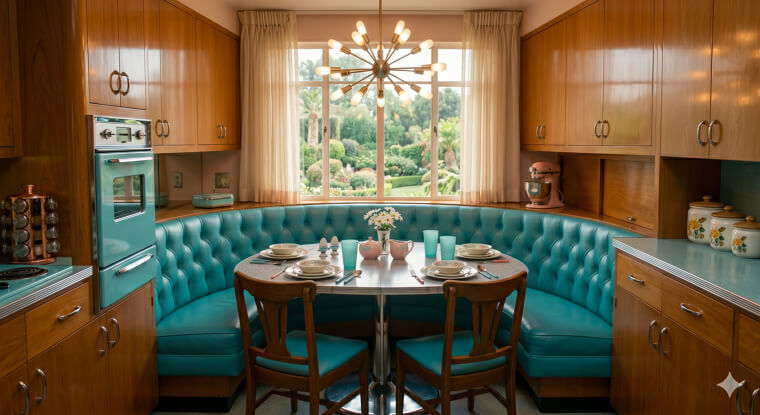
Her kitchen allegedly stayed true to the era's love for warm wood mixed with high-end steel, creating an environment that was both professional for a mogul and welcoming for a mother.
The 1970s: The Advent of the Kitchen Island
While islands existed in various forms before, the 1970s turned the 'island' into a massive, multi-functional powerhouse. Often topped with dark green or brown laminate, these islands housed the stovetop, allowing the cook to face their guests while preparing dinner. This reflected the decade's shift toward more casual, 'open' entertaining. Over the island, it was common to see a massive copper hood that served as a centerpiece.
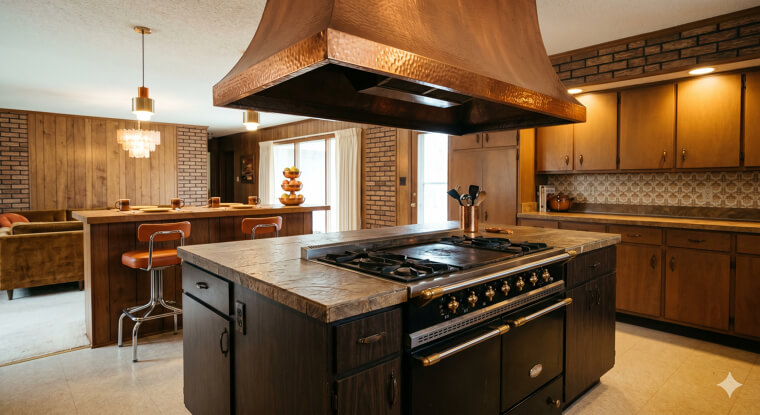
These kitchens were designed for the 'hostess with the mostess,' providing plenty of space for setting out taco bars or heavy ceramic platters during neighborly gatherings.
The 1980s: Opulent 'Dynasty' Inspired Luxury
Inspired by the hit show 'Dynasty,' 1980s kitchens often leaned into opulence. This meant oversized islands with marble tops and gold-toned faucets that shouted success. Subtle gray and mauve color schemes replaced the browns of the previous decade. Track lighting became the trendy way to illuminate the space, casting a bright glow over glass-fronted cabinets that displayed fine china. It was truly an era of 'more is more.'
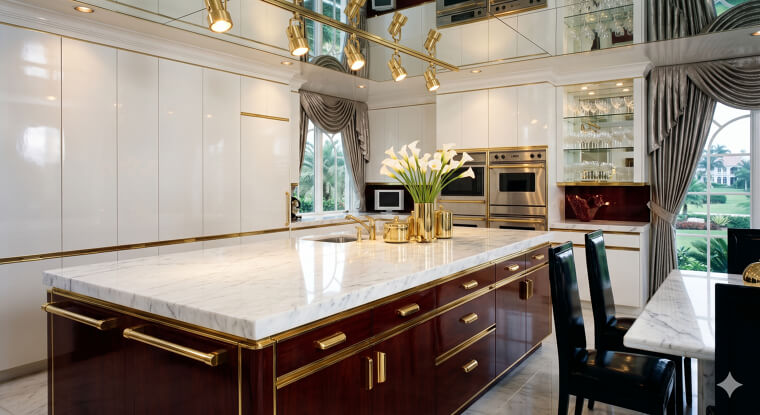
Even the toaster and blender were expected to coordinate perfectly with the sleek, high-end aesthetic, making the kitchen feel more like a stage for entertaining than a simple room for cooking.
The 1970s: The 'Tiffany' Style Hanging Lamp
No 1970s kitchen or breakfast nook was complete without a stained-glass 'Tiffany' style hanging lamp. Usually featuring floral or fruit motifs in shades of amber, green, and red, these lamps cast a warm, moody glow over the wood-grained laminate table. They provided a focal point for the room and emphasized the decade's love for 'bohemian' aesthetics. These lamps often hung quite low, creating an intimate dinner space.
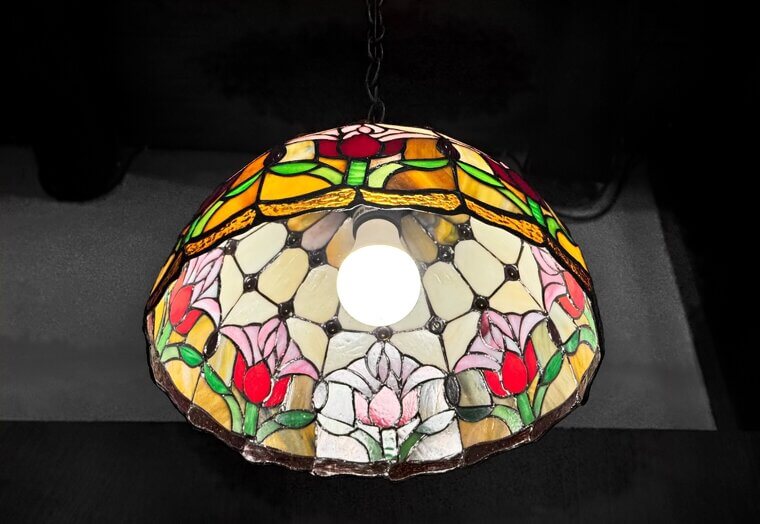
While they might seem cluttered by today's standards, at the time, they were the ultimate symbol of a cozy, well-decorated, and deeply lived-in family home for many.
The 1950s: The Chrome and Vinyl Dinette Set
While the 'built-in' nook was popular, many 1950s kitchens centered around a freestanding dinette set. These iconic tables featured Formica tops—often with a 'cracked ice' pattern—and legs made of shiny, tubular chrome. The matching chairs were upholstered in thick, colorful vinyl that could withstand any spill. This set was the stage for everything from Saturday morning pancake breakfasts to late-night card games with the neighborhood friends.
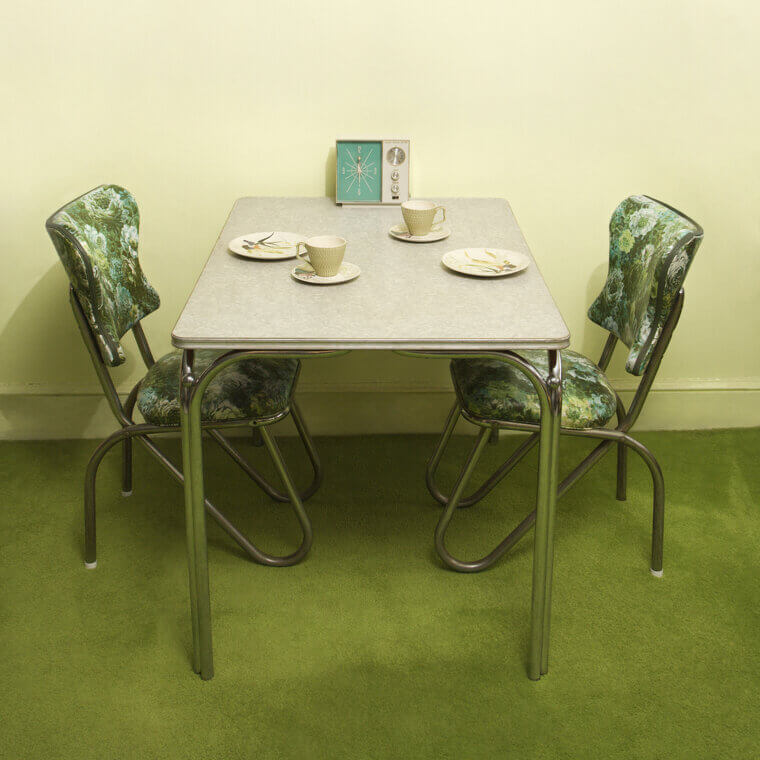
The durability of these materials reflected the decade's obsession with new, 'space-age' plastics and metals that were marketed as being virtually indestructible for the growing, busy American family.
The 1950s: The 'Lazy Susan' Cabinet Revolution
The 1950s solved the problem of 'dead space' in corner cabinets with the mass-market introduction of the 'Lazy Susan.' These rotating shelves allowed homemakers to easily access pots, pans, or canned goods that would otherwise be lost in the dark recesses of a deep cabinet. It was a simple mechanical innovation that felt incredibly modern. Many 1950s promotional films showcased women spinning these shelves easily.
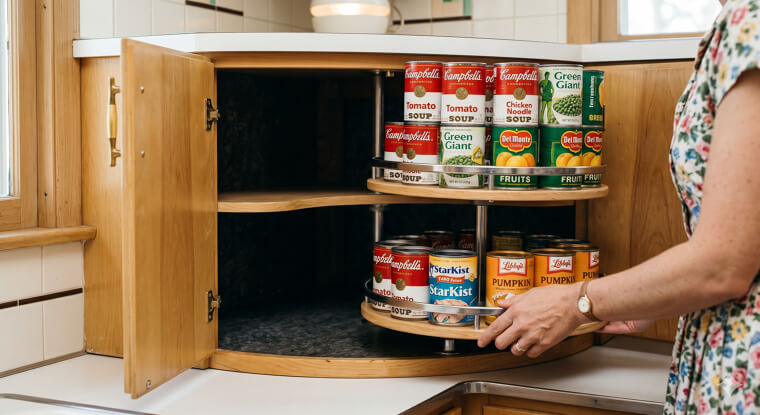
This feature remains a staple in kitchen design today, but in the fifties, it was a high-tech upgrade that every suburban family desperately wanted to show off to neighbors.
The 1940s: The Fold-Down Ironing Board
In many 1940s kitchens, space-saving was a priority, leading to the common 'built-in' ironing board. Hidden behind a narrow, vertical cabinet door, the board could be flipped down in seconds. This reflected the kitchen's role as a multi-purpose utility room where the mother would iron clothes while keeping an eye on the stove. These 'ironing closets' are often found in vintage homes today as spice racks.
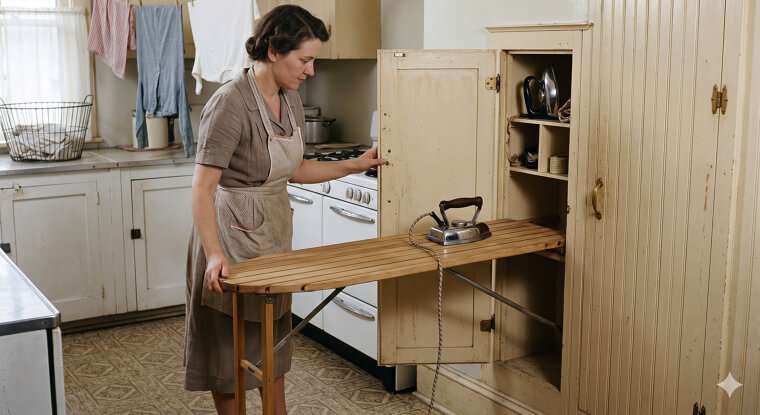
At the time, they were a marvel of functional design, allowing the busy homemaker to transition seamlessly between cooking, cleaning, and garment care without ever leaving the room.
The 1970s: The 'Butcher Block' Everything
The 1970s saw a massive surge in the popularity of 'Butcher Block' wood. It wasn't just for small cutting boards; entire countertops and kitchen islands were crafted from thick, laminated strips of maple or oak. This look provided a 'natural' and 'honest' feel that countered the synthetic plastics of the 1950s. People loved the way the wood aged and developed a patina over many years of use.
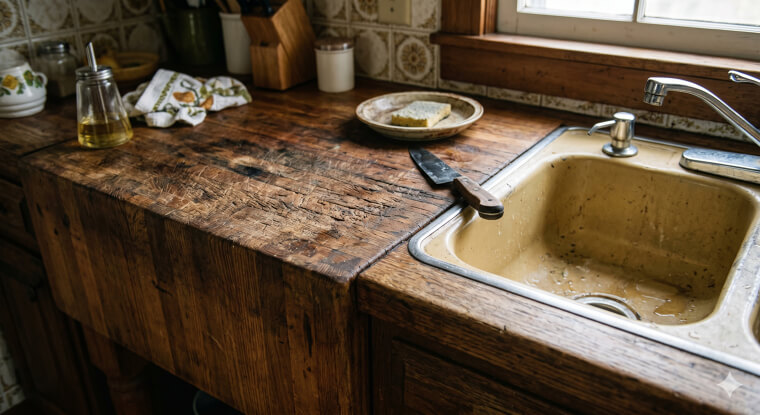
Though it required regular oiling to keep it from drying out, this material was often paired with dark cabinetry, creating a heavy and very grounded aesthetic that defined the seventies.
The 1950s: The Pull-Out Bread Board
A hidden gem of 1950s cabinetry was the pull-out bread board. Usually located just above a drawer, this solid wood slab could be pulled out to provide extra workspace for kneading dough or slicing bread. It was a clever way to add surface area to smaller kitchens without cluttering the main countertops. Many families used these boards so frequently that they became permanently scarred with knife marks.
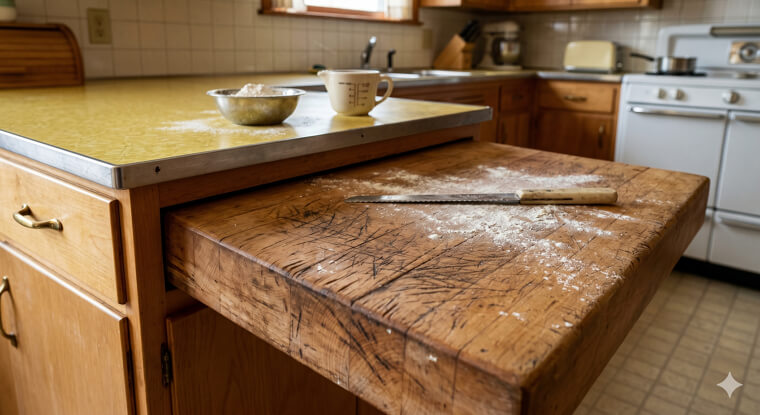
Serving as a silent record of the thousands of sandwiches and meals prepared for growing children, it was an essential detail that prioritized the handmade nature of 1950s domestic life.
The 1980s: The Built-In Desk and 'Command Center'
As lives became busier in the 1980s, the kitchen 'desk' became a standard feature. Usually a lower section of the countertop, it served as the 'Command Center' where the mother would keep the family calendar, the heavy corded telephone, and a collection of cookbooks. This was where bills were paid and school permission slips were signed. It often featured a corkboard backsplash pinned with reminders.
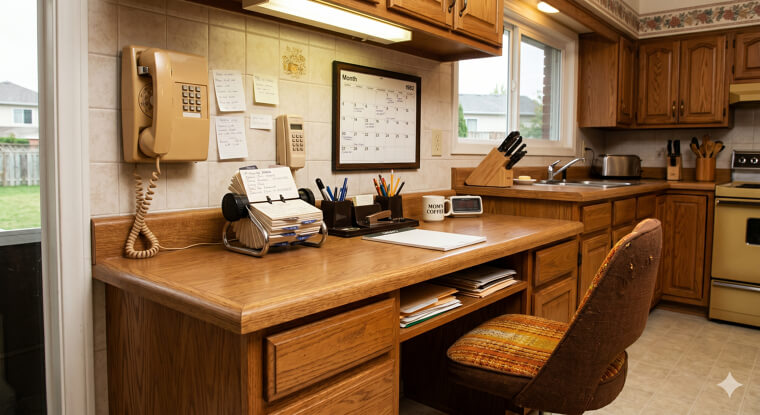
This addition acknowledged that the kitchen was the brain of the home, the place where all logistics were managed and where the chaotic energy of life was funneled into order.
The 1960s: The 'Pegboard' Storage Wall
Popularized in part by Julia Child in her own kitchen, the 'pegboard' wall became a trendy 1960s solution for organizing cookware. Families would paint a large sheet of pegboard in a bright color and hang their copper pots, colanders, and whisks in plain sight. It was a departure from the 'hide everything' philosophy of the 1950s, instead celebrating the tools of the trade as decor.
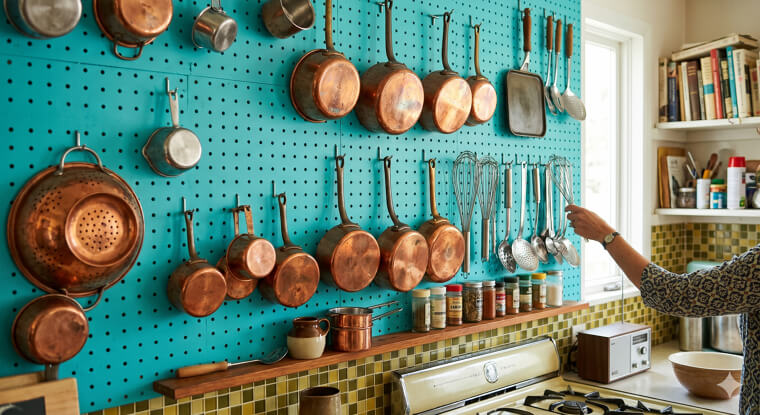
This 'professional' look suggested that the home cook was a serious artist. It was practical, visually interesting, and allowed for easy access, proving that a busy kitchen could be a statement.
The 1970s: Yellow and Gold Glassware
If you grew up in the 1970s, your kitchen cabinets were likely filled with 'amber' or 'sunshine yellow' glassware. Brands like Pyrex and Anchor Hocking produced entire lines of smoked or tinted glass dishes that perfectly matched the era's 'Harvest Gold' appliances. These heavy, chunky glasses were nearly impossible to break and featured textured patterns. When set on a wooden table, the glass would glow beautifully.
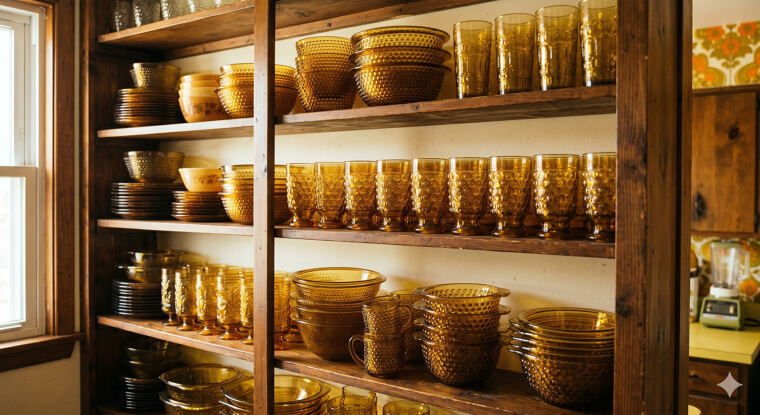
This glassware is now highly collectible, evoking a strong sense of nostalgia for the comfort of 70s family dinners and the sepia-toned atmosphere of our childhood homes.
The 1960s: The Advent of the Dishwasher
While dishwashers existed earlier, the 1960s was the decade they became a common reality for the middle class. Early models were often 'portable,' meaning they were on wheels and had to be hooked up to the kitchen faucet with a hose. They featured a 'butcher block' top, providing extra counter space when not in use. The arrival of the dishwasher was a revolutionary moment.
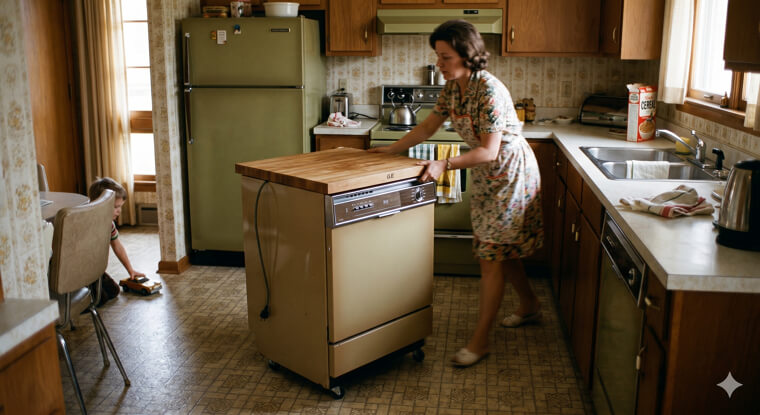
It significantly reduced the 'drudgery' of housework and changed the rhythm of the evening, allowing the family to spend more time together in the living room after a long day.
The 1950s: The Charm of the 'Pink Kitchen'
Perhaps no color is more synonymous with the 1950s than 'Mamie Pink,' named after First Lady Mamie Eisenhower. Entire kitchens were often outfitted in this soft, rosy hue, from the metal cabinets to the refrigerator and even the sink. Pink was seen as a feminine, sophisticated choice that made the kitchen feel like a jewel box. To balance the sweetness, designers often added gray or black accents.
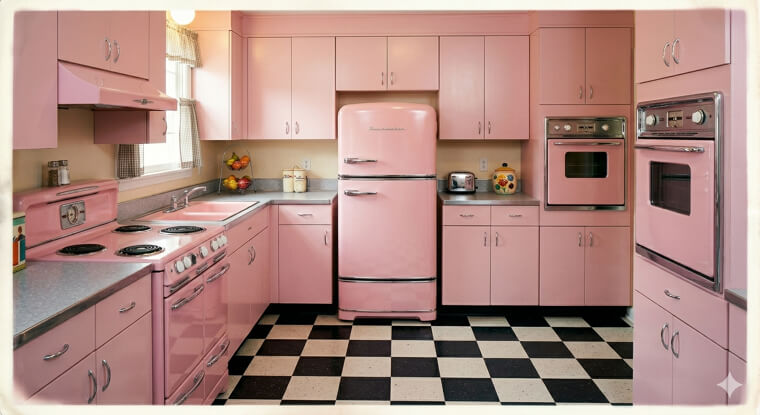
This was particularly seen in the floor tiling or the Formica countertops. It was a bold celebration of mid-century femininity, creating a space that felt cheerful and coordinated.
The 1920s: The Rise of the Hoosier Cabinet
In the roaring twenties, the kitchen began its transition from a hidden utility space to a functional family hub. The centerpiece was almost always the Hoosier cabinet, a freestanding workstation that organized everything from flour to spices. These kitchens often featured high ceilings and massive cast-iron stoves that radiated constant heat throughout the home. Families gathered around simple wooden tables for morning porridge, surrounded by white subway tiles.
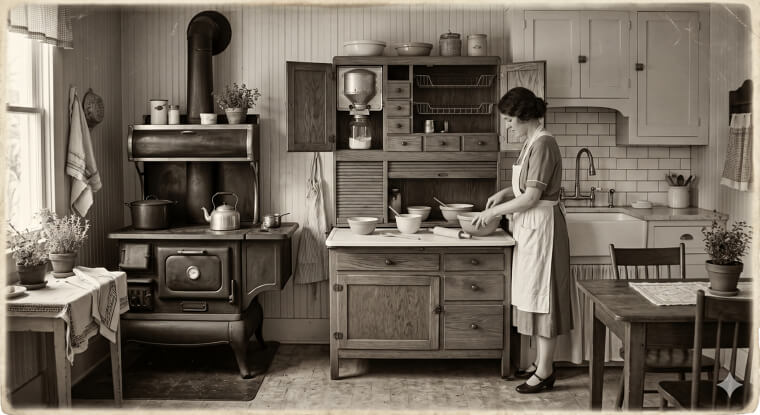
It was an era of newfound efficiency, where the introduction of early electric toasters began to change the morning routine for many lucky households.
The 1960s: Mid-Century Modern Minimalism and Geometry
By the mid-1960s, the influence of Scandinavian design began to take root in the family kitchen. Clean lines and 'flat-panel' cabinets replaced the ornate details of the past. The color palette shifted toward a sophisticated mix of white and teak wood, often accented by bright, geometric-patterned backsplash tiles. This decade saw the introduction of the side-by-side refrigerator, a massive luxury that changed how families shopped for groceries.
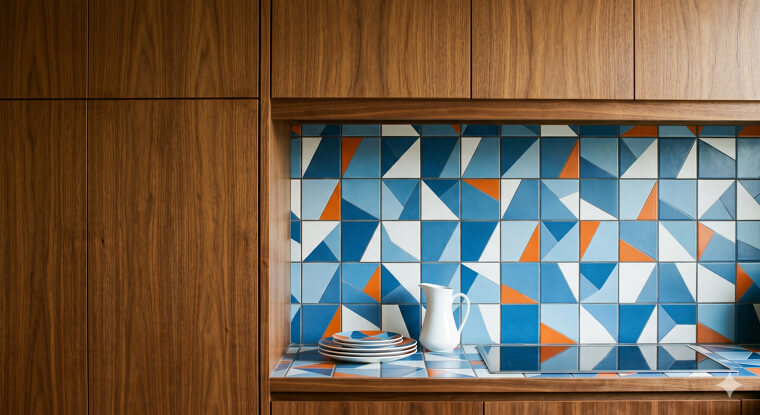
The overall vibe was airy and uncluttered, reflecting a desire for a more organized, modern way of living that prioritized function without sacrificing the era's iconic cool factor.
The 1930s: The Evolution of the Built-In Sink
Before the 1930s, many sinks were freestanding 'apron-front' styles, but this decade saw the rise of the integrated countertop sink. Often made of heavy cast iron coated in thick porcelain, these sinks featured large draining boards on either side. They were the site of endless vegetable scrubbing and dishwashing marathons, usually positioned directly under a window so the cook could look out at the garden during chores.
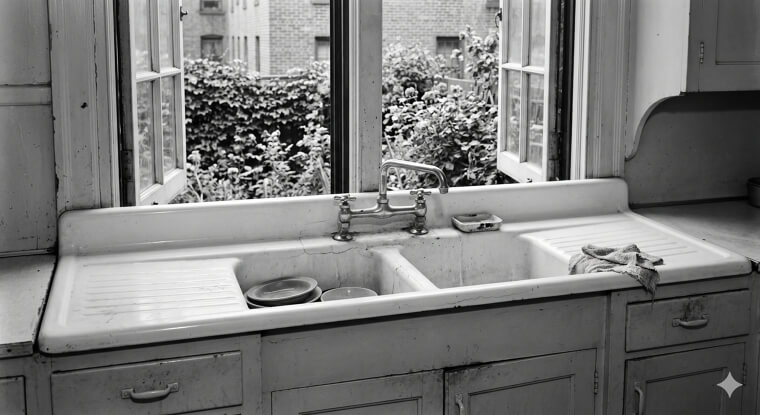
The cabinetry beneath was often custom-built, featuring unique cut-outs for ventilation. These kitchens represented a major shift toward the streamlined, easy-to-clean surfaces that we still value in our modern homes today.
The 1950s: The All-Electric Kitchen Dream
Following World War II, the 'all-electric kitchen' was marketed as the ultimate gift for the modern wife. Promoted by figures like Ronald Reagan for General Electric, these kitchens featured matching sets of appliances that worked in perfect harmony. From the electric range with 'push-button' controls to the gleaming white refrigerator with a built-in butter warmer, every detail was designed to minimize labor. The aesthetic was bright and clinical.
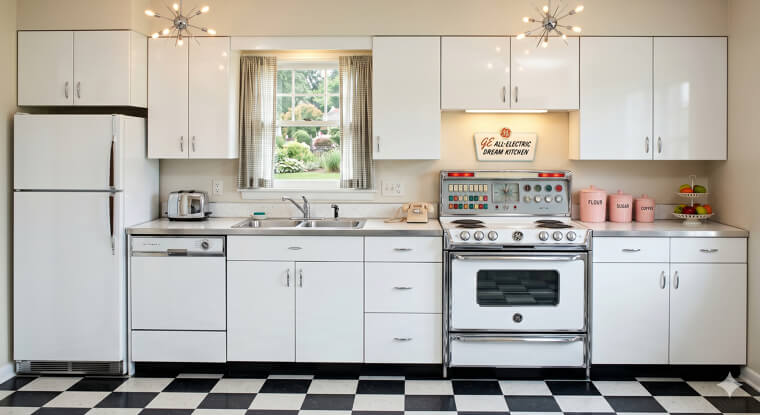
These spaces felt like laboratories of progress, promising a new life of ease and efficiency while using steel cabinets that were advertised as being more sanitary and fireproof.
The 1960s: Psychedelic Patterns and Bold Vinyl
As the 1960s progressed into the 'Mod' era, kitchen floors and walls became canvases for bold expression. Vinyl flooring featuring dizzying swirls or oversized daisies became a popular choice for those looking to update their homes. This was the decade where the 'breakfast bar' truly came into its own, often featuring stools upholstered in neon-colored Naugahyde. The kitchen was no longer just for cooking; it was for social gathering.
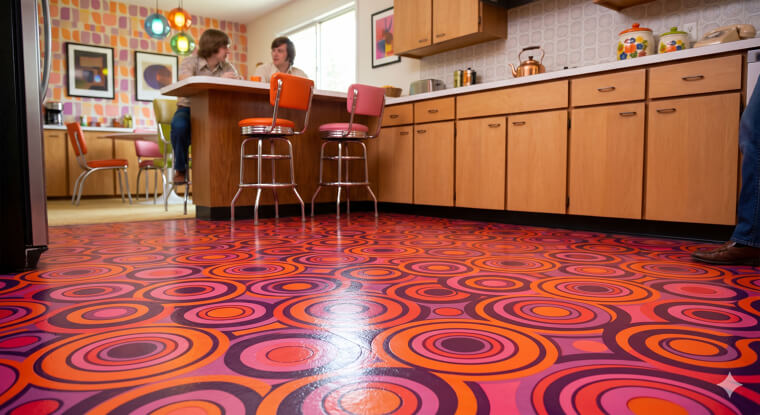
It was a place for teenagers to hang out and listen to records while the smell of pot roast wafted through the air, creating a vibrant and loud space.
The 1920s: The Pantry and the Icebox Era
In the early 1920s, many kitchens still relied on the 'icebox' for refrigeration, a wooden cabinet lined with zinc and cooled by a large block of ice delivered weekly. The kitchen was often flanked by a large, walk-in pantry where bulk dry goods were stored in tins and glass jars. Unlike the open-concept homes of today, these kitchens were separate rooms with a heavy swinging door.
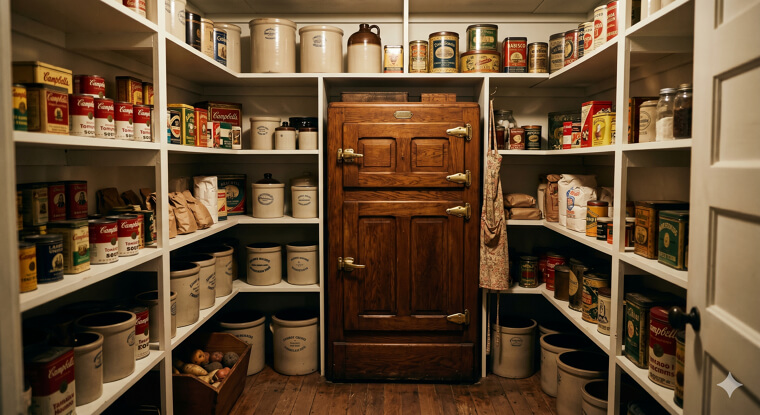
This kept the heat and smells away from the formal dining area. It was a quiet, industrious place where bread was kneaded by hand and rhythm was set by the stove.
The 1980s: The Rise of the Professional Range
In the late 1980s, high-end homeowners began to reject the standard white or almond-colored stoves in favor of massive, professional-grade stainless steel ranges. This 'gourmet' trend saw the introduction of brands like Viking into the residential market. Suddenly, the kitchen looked less like a cozy domestic space and more like a restaurant line. This shift was accompanied by the installation of heavy-duty ventilation systems and specialized refrigerators.
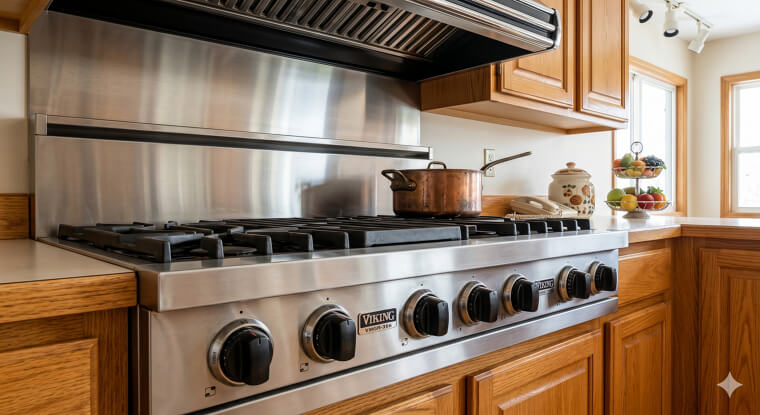
It was the beginning of the 'trophy kitchen' era, where the ability to cook like a chef was the ultimate social status symbol for the suburban elite.
The 1930s: The Introduction of Enamelware
The 1930s saw the widespread popularity of enamelware—metal pots, pans, and storage bins coated in a durable, glass-like finish. These pieces were usually white with a thin rim of dark blue or red. They were prized for being easy to clean and nearly indestructible during a decade when people couldn't afford to replace things often. In the kitchen, you’d see large enamel 'bread bins' and matching canisters.
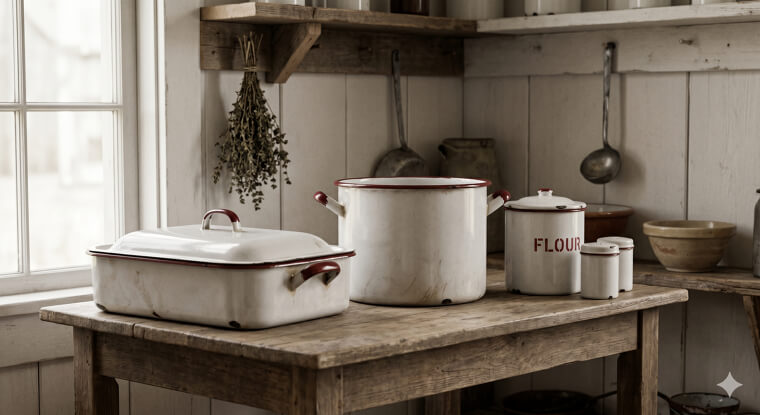
This look has become a staple of 'farmhouse' decor today, but in the 30s, it was simply a practical and affordable way to keep a kitchen organized and clean.
The 1940s: The 'Kelvinator' and Rationing Realities
In the 1940s, the Kelvinator refrigerator was a prized possession, often featuring a small freezer compartment that was a marvel of the time. However, due to wartime rationing, what was inside the fridge was often more interesting than the appliance itself. Kitchens featured posters reminding the family to save fats and utilize every scrap of food. Despite the constraints, the kitchen remained the center of intense family creativity.
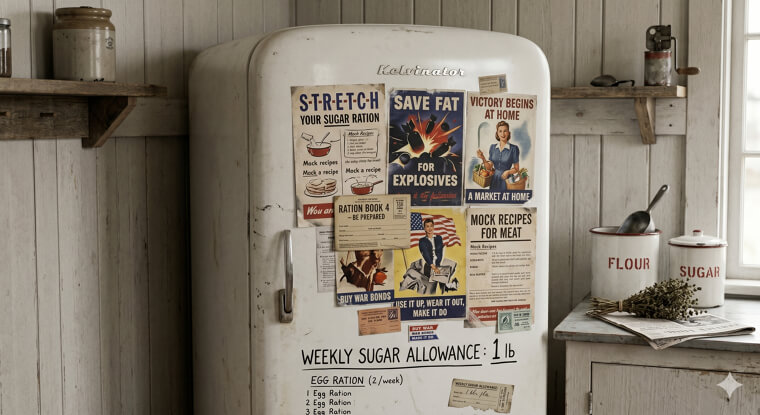
Women developed 'mock' recipes to replace scarce ingredients like sugar or butter. It was a decade where the kitchen reflected the resilience and community spirit of the nation.
The 1920s: The Butler’s Pantry and Formal Flow
In more affluent 1920s homes, the 'Butler’s Pantry' was the essential bridge between the kitchen and the dining room. This space featured floor-to-ceiling glass-fronted cabinets used to store and display the 'good' silver and china. It was also where final food plating occurred, hidden away from the guests. The kitchen itself was often relegated to the back of the house, managed strictly by the house matron.
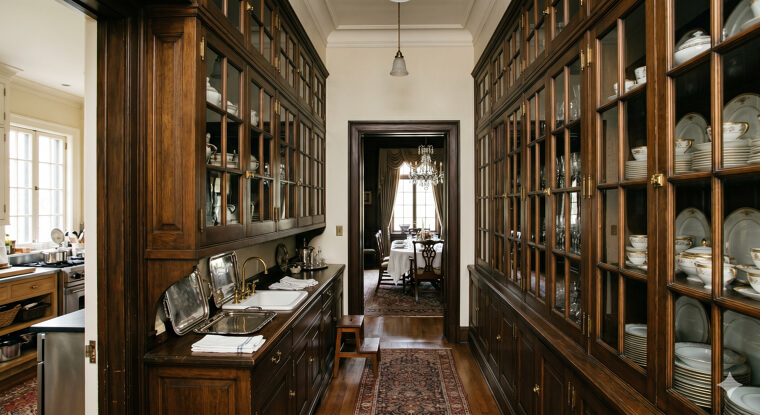
These kitchens were less about social gathering and more about the serious, methodical production of multi-course meals, utilizing massive sinks and extensive, specialized prep counters for large gatherings.
The 1960s: The 'Wall of Ovens' Trend
As the 1960s progressed, the 'wall of ovens' became the ultimate kitchen flex. Instead of a single range, fashionable homes featured two or even three built-in electric ovens stacked vertically or side-by-side. This allowed the home cook to roast a turkey, bake a pie, and warm rolls all at the same time—perfect for the era's elaborate dinner parties. These ovens often featured 'peek-a-boo' glass windows.
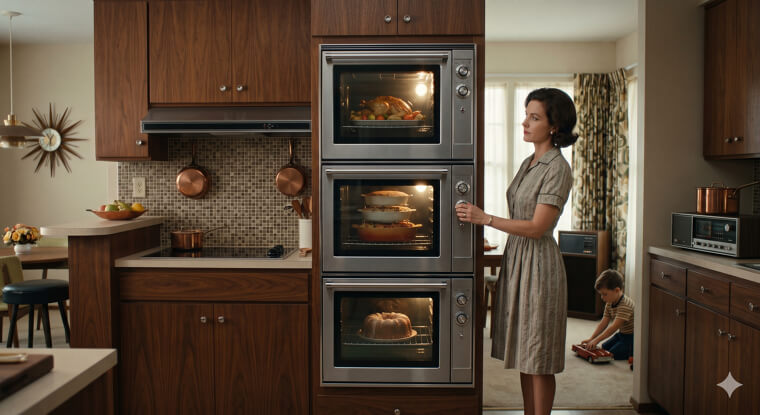
This trend shifted the layout of the kitchen, requiring more cabinetry and dedicated electrical wiring, further solidifying the kitchen's status as a high-tech command center for the modern hostess.
The 1980s: The Greenhouse Window
A quintessentially 1980s feature was the 'greenhouse window' or 'garden window' installed over the kitchen sink. This glass box bumped out from the exterior wall, creating a miniature conservatory for herbs and potted African violets. It allowed more natural light into the room and gave the cook a pleasant view of their 'indoor garden.' This feature was part of the decade's broader interest in bringing nature indoors.
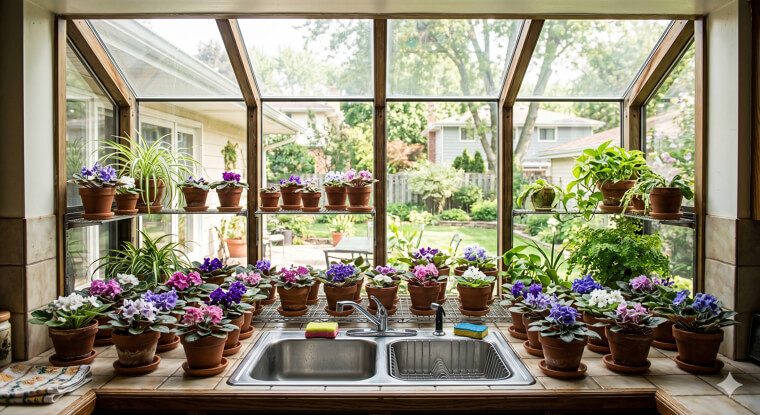
It was the perfect spot for a row of decorative sun-catchers or a collection of small ceramic figurines that added personal flair to the workspace during the day.
The 1930s: The Breakfast 'Nook' with Built-In Benches
The 1930s 'Breakfast Nook' was often a tiny alcove tucked away in a corner, featuring two high-backed wooden benches facing each other with a narrow table in between. These were often painted in 'Nile Green' or 'Cream' and featured decorative cut-outs on the ends of the benches. It was an intimate space designed specifically for the nuclear family to share a quick meal together.
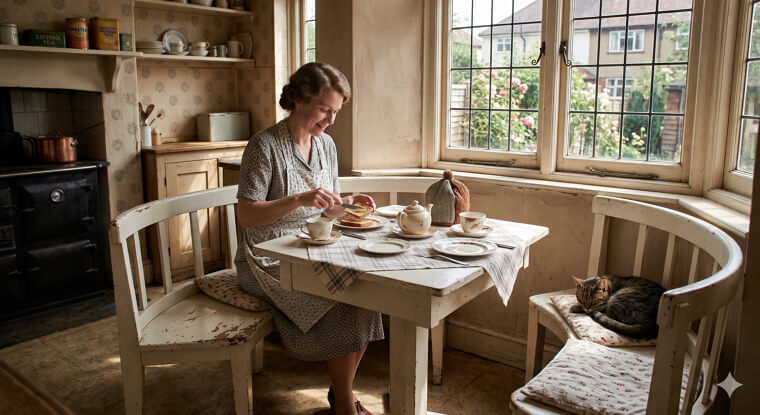
Because the benches were fixed to the floor and walls, it felt like a cozy, permanent sanctuary, a stark contrast to the formal dining rooms of the previous Victorian generations.
The 1990s: The Professional Stainless Steel Sink
In the 1990s, the 'undermount' stainless steel sink became the gold standard for luxury kitchens. Unlike the 'drop-in' sinks of the past, these were installed underneath the granite countertop, creating a seamless, modern edge. This made cleaning much easier, as crumbs could be wiped directly into the sink without getting caught in a rim. Often paired with a high-arching 'pull-down' faucet, the sink area began to look industrial.
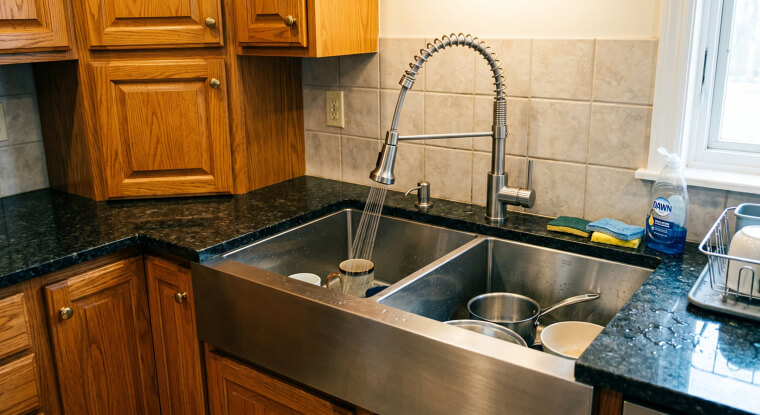
This trend moved the kitchen further away from the 'soft' country looks of the early 90s and toward the sleek, minimalist, and 'chef-driven' designs of the modern millennium.
The 1920s: The Porcelain-Topped Table
Before Formica, the 'porcelain-topped' table was the ultimate kitchen surface. These tables featured a heavy metal top coated in thick, white enamel that was cold to the touch and incredibly easy to clean. Often used as both a prep surface and a dining table, they were the 'all-in-one' solution for the 1920s kitchen. The edges were often trimmed in a contrasting color, like red.
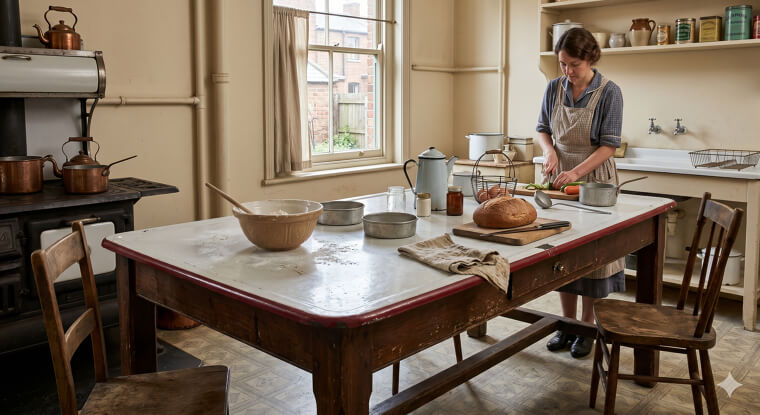
These tables were incredibly sturdy and often survived for decades, being passed down through generations. Today, they are prized antiques representing a time when kitchen furniture was built to last a lifetime.