
When Martha uncovered a bundle of hidden letters in her dusty attic, she opened a door to a decades-old mystery that spanned continents. From secret heirlooms to long-lost siblings, this journey proves that the past is never truly gone. Dive into this breathtaking tale of family secrets and see how one simple discovery changed everything forever.
Dusty Trunks and Forgotten Secrets
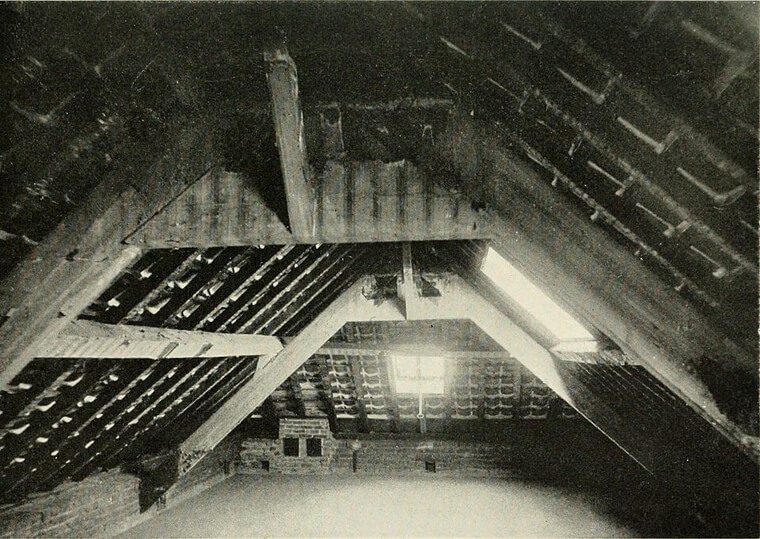
While clearing out her late mother’s Victorian home in Vermont, 72-year-old Martha stumbled upon a heavy, leather-bound trunk tucked behind a false wall in the attic. Inside lay a bundle of thirty-five letters, tied with a fraying silk ribbon that had once been vibrant blue. The paper felt brittle, smelling faintly of lavender and aged cedar. Martha expected to find old tax records or perhaps grocery lists from the 1940s.

But the elegant, loopy cursive on the top envelope suggested something far more personal. It was the first breadcrumb in a mystery that would soon redefine her entire identity and lineage.
The Postmark From a Ghost Town
The first letter was postmarked June 1944 from a town called Halcyon Creek, a place Martha had never heard of despite living in the region her entire life. After a quick search, she discovered the town had been flooded during a reservoir project in the late fifties and effectively wiped off the map. The sender was a man named "Julian," who wrote with a sense of urgency that felt palpable even eighty years later.
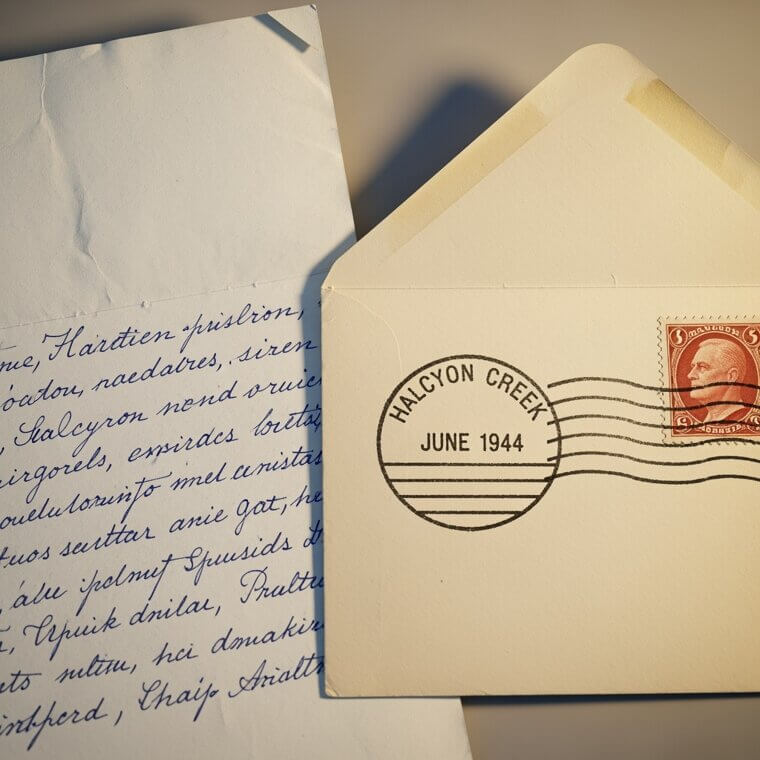
He spoke of a promise made under an oak tree and a choice that would reportedly change the course of two families’ lives forever.
A Language Martha Didn't Speak
As Martha dug deeper into the stack, she realized several letters were written in a dialect of French-Canadian patois common in the rural border regions during the early twentieth century. These letters were not from Julian, but addressed to him by a woman named Elodie. Martha had to enlist the help of a local historian to translate the delicate script. The historian noted that the tone was incredibly guarded, almost as if the writers were aware that their correspondence could be intercepted.
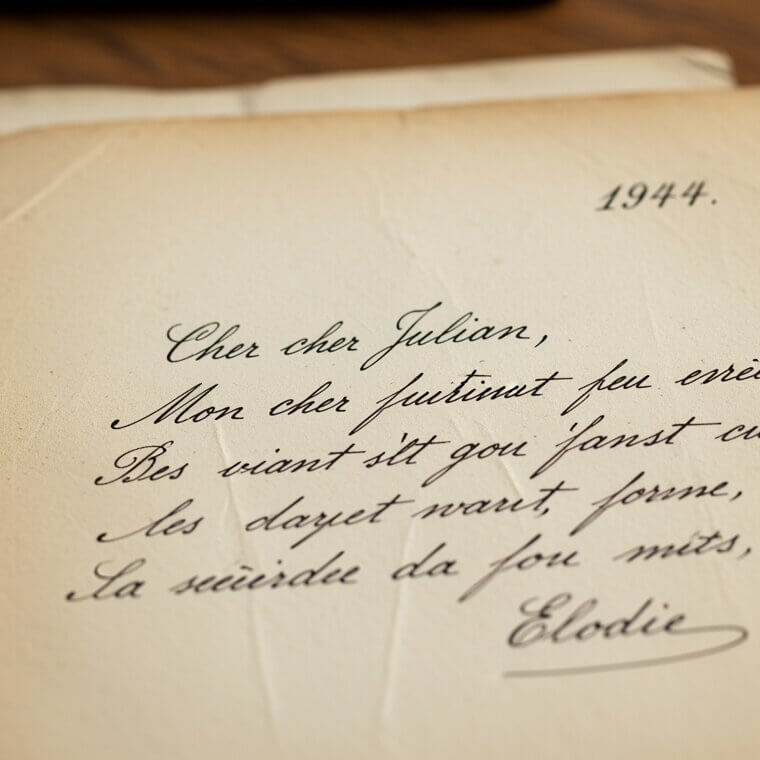
This discovery added a layer of intrigue, suggesting that their connection was perhaps clandestine or socially discouraged.
The Mention of the Hidden Heirloom
In the fifth letter, Elodie mentions a "silver bird with eyes of emerald" that she had hidden beneath the floorboards of a boarding house. She claimed this item was a symbol of her family’s true heritage, which had allegedly been stripped away during a period of political upheaval. Martha realized that her mother had owned a similar brooch, though the stones were missing.
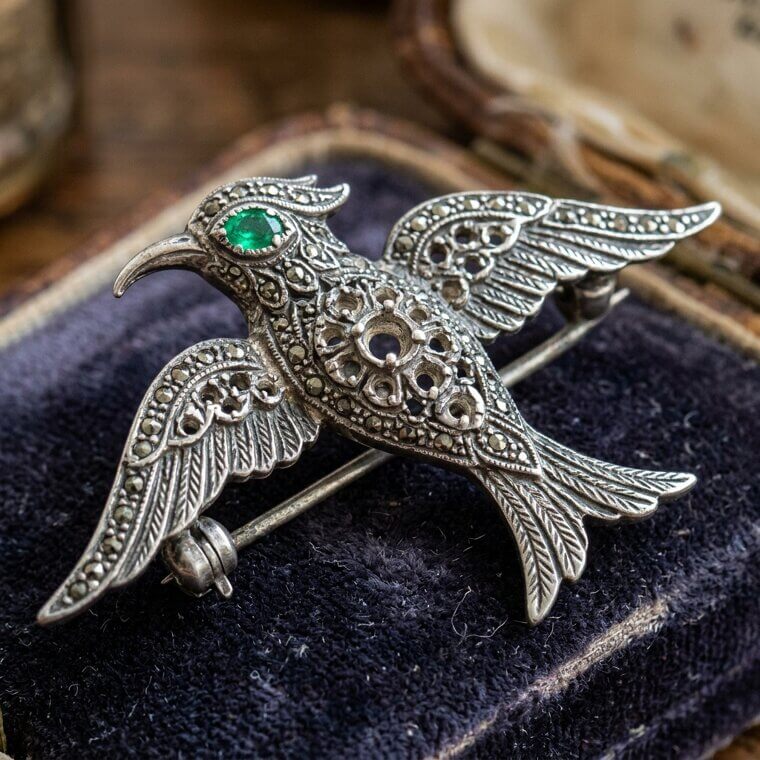
This connection was the first concrete piece of evidence that the letters weren't just random relics, but were intimately tied to Martha's own bloodline and a fortune that had been lost to time.
A Secret Departure Under Moonlight
The letters grew more frantic as the dates approached late 1945. Julian wrote about a plan to leave Halcyon Creek before the winter snows blocked the mountain passes. He spoke of "taking what belongs to us" and meeting Elodie at a specific train station in Montreal. However, the next letter in the sequence was sent from a completely different location, suggesting the plan had gone awry.

Martha felt a knot in her stomach as she read Julian’s descriptions of the cold and the fear of being followed by men who reportedly wanted the emerald-eyed bird for themselves.
The Mystery of the Three Birth Certificates
Among the envelopes, Martha found a smaller, yellowed sleeve containing three birth certificates, all for children born within the same year but in different cities. Curiously, the mother’s name on all three was Elodie, but the father’s name was left blank on two of them. This sparked a confusing realization: Martha’s mother was supposedly an only child. These documents suggested the existence of siblings or cousins who were moved across the country to keep them safe.
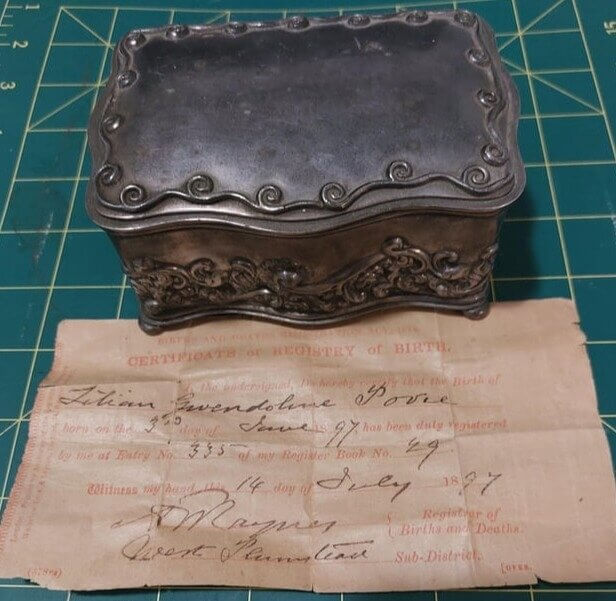
The legal paperwork appeared authentic, yet there was no record of these individuals in any of the official family trees Martha had studied.
The Soldier Who Never Came Home
Julian’s letters abruptly shifted tone when he mentioned his enlistment. He wasn't drafted; he joined under an assumed name to escape the "shadows of Halcyon Creek." Martha researched the name he used and found military records indicating he served with distinction but was listed as missing in action just weeks before the war ended. However, a later letter in the attic bundle was dated 1948, written in Julian’s unmistakable hand.
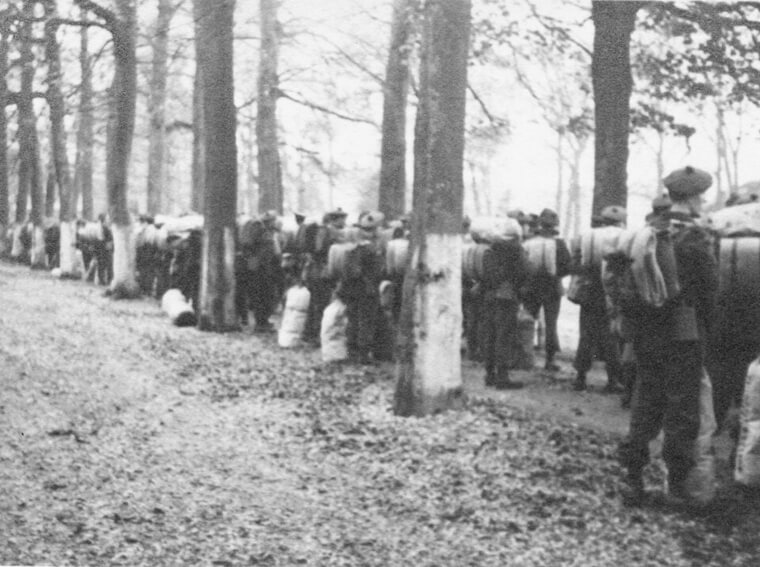
This suggests he may have allegedly staged his own disappearance to start a new life or to protect Elodie from a lingering threat that followed him home.
A Map Drawn in Faded Ink
Tucked inside the twelfth letter was a hand-drawn map of a property in rural Quebec. It featured landmarks like "The Crying Willow" and "The Stone Gate." Martha recognized the "Stone Gate" from an old Polaroid she had seen in her grandmother’s photo album, though the location had always been described as a public park. The map indicated a "cache" buried near the roots of the willow tree.
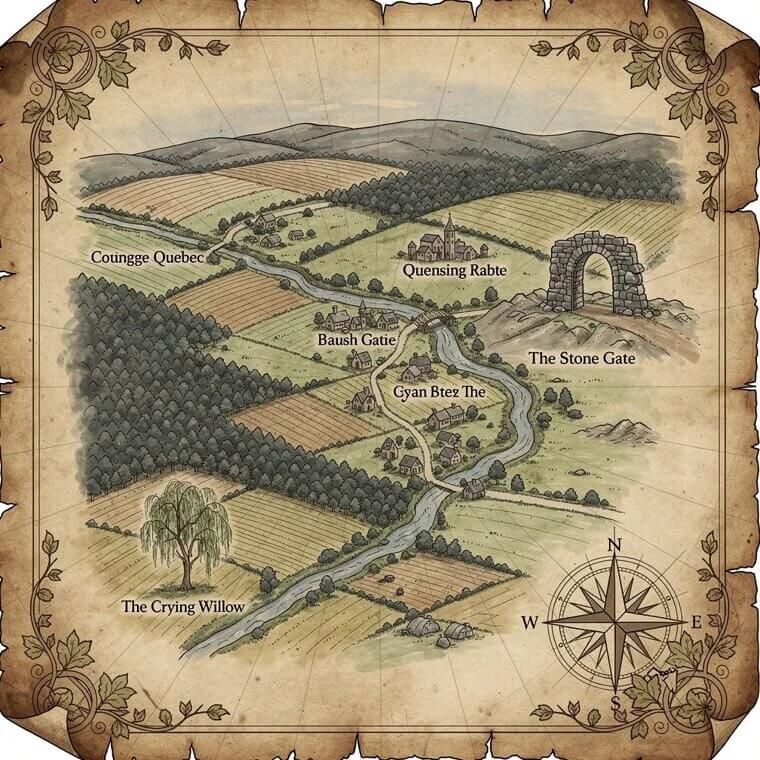
It became clear that Julian and Elodie were leaving a trail for someone to follow—perhaps a child they were forced to leave behind during their daring escape across the border.
The Connection to the London Blitz
One letter was surprisingly written on stationery from a hotel in London, dated during the height of the Blitz. It wasn't from Julian or Elodie, but from a lawyer named Mr. Sterling. He informed Elodie that her "claims to the estate" were being processed despite the chaos of the war. This revealed that the family mystery wasn't just a local affair; it had international roots involving a significant inheritance.

Martha began to suspect that her ancestors weren't simple farmers, but individuals caught in a complex legal battle over European assets that had been hidden from the authorities.
The Woman in the Black Veil
A letter from 1952 described a "woman in a black veil" who had been seen lurking around Elodie’s new home in Vermont. Elodie wrote to Julian—who was apparently living in hiding—expressing her terror that the "past had finally caught up." She described the woman as having a distinctive scar on her left hand, a detail that made Martha gasp. Martha’s own aunt, a reclusive woman she had only met twice, famously wore gloves year-round.
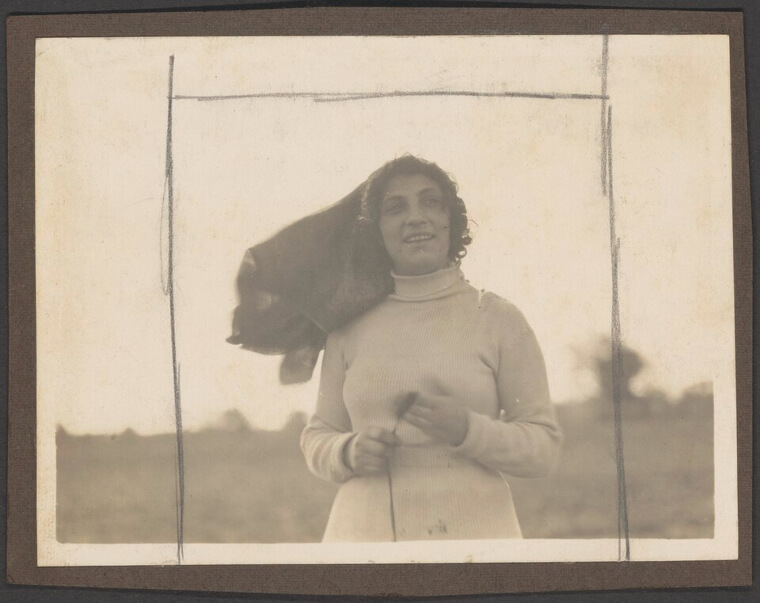
This raised the chilling possibility that the "villain" in Elodie’s life was actually a member of the family Martha had known and trusted.
The Hidden Compartment in the Jewelry Box
After reading about the emerald-eyed bird, Martha returned to her mother’s vanity and examined the old wooden jewelry box she had inherited. To her surprise, a small tension spring was hidden behind the velvet lining. When pressed, a shallow drawer popped out, containing a single, tarnished silver wing. It matched the description in Elodie’s letter perfectly. This physical proof confirmed that the "alleged" treasure was real.
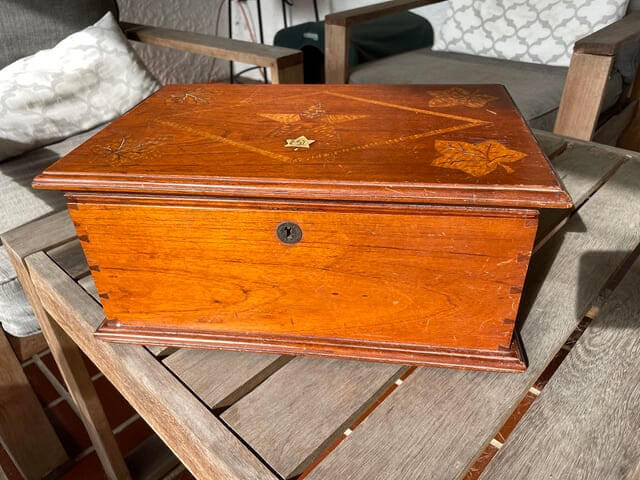
And that it had been broken into pieces to ensure that no single person could claim the full inheritance without the others, effectively binding the separated siblings together through these silver fragments.
A Secret Wedding in a Crumbling Chapel
The twelfth item in the trunk was a marriage certificate dated November 1943, performed in a chapel that had been deconsecrated decades ago. The names on the document were Julian and Elodie, but they used surnames that Martha did not recognize. It appeared they had reportedly adopted aliases to evade a family feud that had turned dangerous. This marriage was never recorded in the official county books.
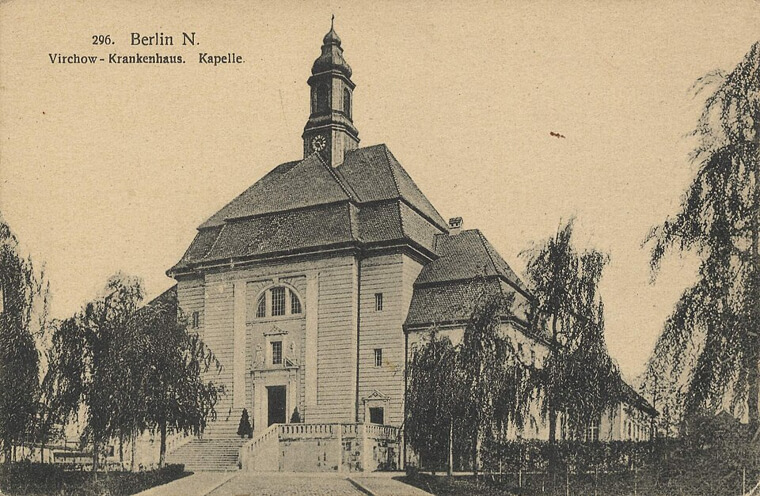
That made it a "ghost union" that protected their assets from being seized by the disgruntled relatives who were mentioned in the previous letters as being "greedy and relentless."
The Telegram From the Red Cross
A faded yellow telegram tucked between two letters revealed a shocking twist. It was addressed to Elodie and stated that a man matching Julian’s description had been found in a displaced persons camp in Germany in 1946. This contradicted the earlier report of him being missing in action. The telegram hinted that Julian had lost his memory or was intentionally refusing to identify himself to authorities.
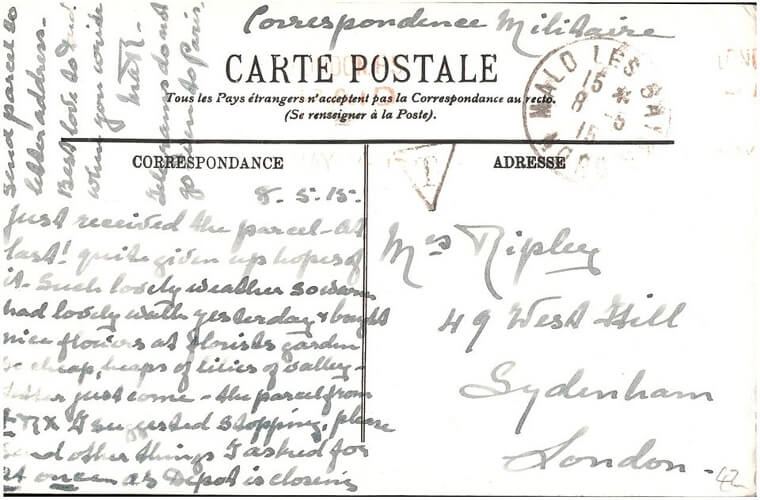
Martha realized that her grandfather had allegedly lived an entirely different life under a different identity for years while Elodie waited for him in the quiet hills of Vermont, never losing hope.
The Photograph of the Unknown Toddler
A small, grainy black-and-white photograph showed a toddler sitting on a porch in what looked like a coastal town. On the back, in Elodie’s handwriting, were the words: "Our little secret, 1947." Martha’s mother wasn't born until 1950. This meant there was an older sibling who had been kept entirely out of the family records. The child in the photo had a distinctive birthmark on their cheek.

Martha suddenly remembered seeing that same birthmark in an old newspaper clipping about a local philanthropist. The mystery was no longer just about the past; it was about living relatives.
The Lawyer’s Warning From Beyond
A formal letter from a law firm in Quebec, dated 1955, warned Elodie that "the search parties are getting closer." The lawyer advised her to move again and to "bury the evidence of the Halcyon Creek transaction." This suggested that the family’s wealth wasn't just inherited, but was tied to a land deal that had gone sour during the flooding of the town. The lawyer reportedly believed that Elodie was being watched by private investigators hired by a rival family.
Martha felt a chill realizing her mother’s childhood was likely spent in a state of constant, quiet "alleged" paranoia.
The Missing Page of the Diary
Inside a small leather diary found at the bottom of the trunk, one page had been neatly excised with a razor. However, the indentations of the pen were still visible on the following page. Martha used a pencil to lightly shade over the paper, revealing a set of coordinates and the word "Redemption." These coordinates pointed to a remote spot in the Green Mountains. It appeared Elodie had left a final failsafe in case the letters were found by the wrong person.
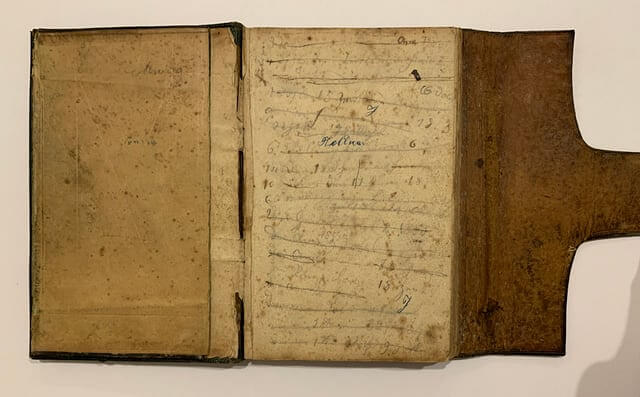
The missing page was allegedly removed by someone who knew the secret was too dangerous to keep in writing.
The Receipt for a One-Way Passage
A steamship ticket for a voyage from New York to Le Havre, France, was found folded inside an envelope from 1958. It was booked in the name of "Elodie Smith," a common alias she used. Why would she return to Europe at the height of the Cold War? A letter from Julian, written around the same time, mentioned a "debt of honor" that needed to be settled in Paris.
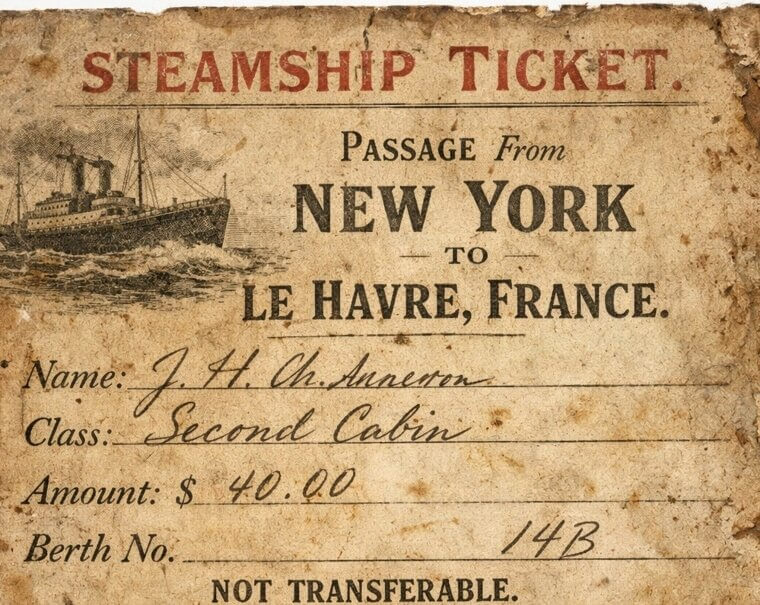
This suggested that the family’s involvement in the European estate was far more active than Martha had imagined, involving clandestine trips and meetings that were hidden from the neighborhood gossips.
The Mystery of the Matching Lockets
Martha found a small velvet pouch containing two identical gold lockets. Inside each was a tiny lock of hair—one blonde, one dark. A note accompanied them: "For when they are reunited." These lockets were allegedly intended for the children who were separated during the escape from Halcyon Creek. Martha realized that her mother must have possessed one, while the other was likely with the "secret" sibling in the photograph.
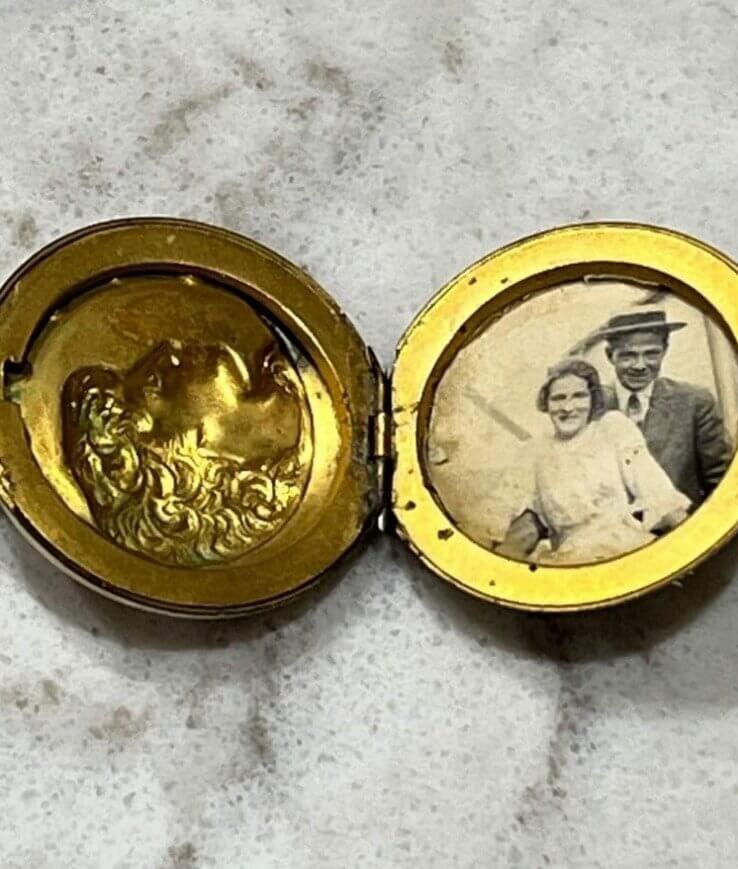
The lockets were symbols of a promise that the family would one day be whole again, a promise that had seemingly been broken by time and distance.
The Confession in the Final Letter
The very last letter in the bundle was written by Julian just days before his death in 1970. In it, he confessed that he had never actually lost his memory. He had stayed away to protect Elodie and the children from a "shadow organization" that had been tracking the emerald-eyed bird for decades. He apologized for the years of silence and told Elodie where the remaining emeralds were hidden. This heartbreaking revelation showed a life of sacrifice.
He had reportedly watched his family from afar, never able to truly join them for fear of bringing danger to their doorstep.
The Discovery of the Second Wing
Armed with the coordinates from the diary, Martha traveled to the Green Mountains. Near a rock formation known locally as "The Crying Willow," she used a metal detector and found a small lead box. Inside was the second silver wing of the bird, encrusted with three brilliant emeralds. This piece was the key to the entire mystery. The craftsmanship was exquisite, indicating it was likely a royal commission from the nineteenth century.
Finding this item proved that the stories in the letters weren't just the ramblings of a stressed woman, but a documented account of a high-stakes family heirloom.
The Phone Call That Changed Everything
Martha decided to hire a private investigator specializing in genealogical mysteries. Two weeks later, she received a phone call. The investigator had tracked down the "philanthropist" with the birthmark. His name was Arthur, and he lived only three towns away. He had grown up as an orphan, told that his parents had perished in a fire. When Martha mentioned the silver bird and the name Elodie, Arthur went silent.

He reportedly had the body of the bird, passed down to him by a mysterious benefactor who had visited him every year on his birthday but never stayed.
The Reunion at the Old Stone Gate
Martha and Arthur agreed to meet at the location of the "Stone Gate" mentioned in the map. It was now a quiet public park, but as they stood by the crumbling pillars, the connection was undeniable. Arthur produced the central body of the silver bird, and Martha brought the two wings. They fit together perfectly. For the first time in eighty years, the heirloom was complete.
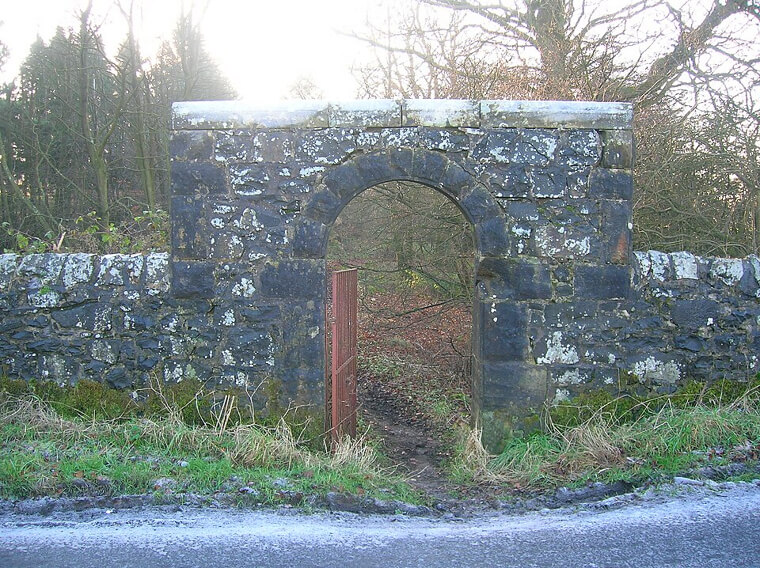
This meeting wasn't just a discovery of an object; it was the reunion of two branches of a family that had been systematically pruned by fear and the need for survival.
The Truth About the Family Feud
Arthur shared documents he had found in his own research. It turned out that the "rival family" mentioned in the letters was actually Elodie’s own cousins. They believed the emerald bird was theirs by right of primogeniture and had reportedly used their political influence to have Halcyon Creek flooded specifically to force Elodie out of hiding. This revelation painted a picture of a ruthless internal war over status and wealth.
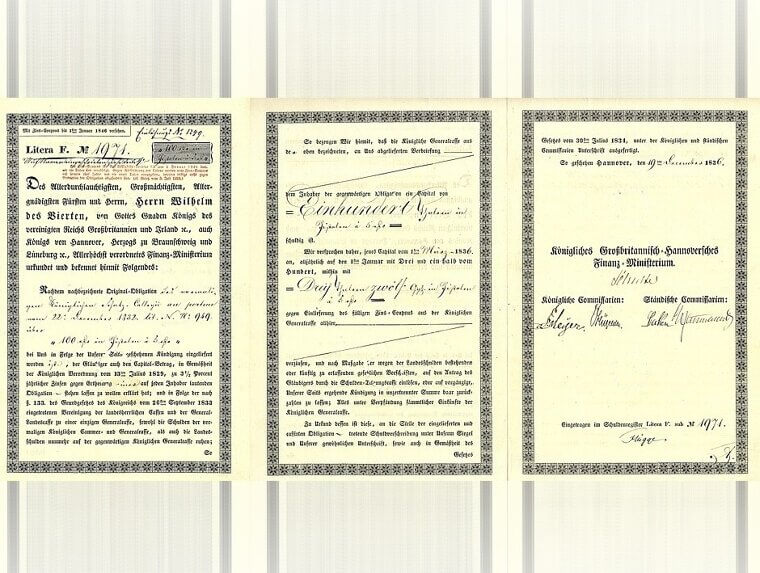
The letters Martha found were the only surviving record of the true ownership, proving that Elodie was the rightful heir to a significant European estate.
The Lawyer’s Secret Archive
Martha contacted the descendants of the law firm in Quebec. Surprisingly, they still held a "dormant file" under the name Halcyon. Within this file were the original deeds to several properties in France and a bank account that had been collecting interest since 1945. The lawyer’s family had kept the secret for generations, waiting for someone to present the silver bird as proof of identity.
This discovery meant that Martha and Arthur were not just uncovering history; they were potentially looking at a multi-million dollar inheritance that had been protected by the silence of the letters.
The Mystery of the "Silent Guardian"
In the lawyer’s archive, Martha found records of payments made to a "Silent Guardian" for thirty years. These payments ensured that Elodie and her children were monitored and protected without their knowledge. This guardian was reportedly the man Julian had served with in the war, who had survived and dedicated his life to fulfilling his friend’s dying wish. This explained how Elodie had managed to stay safe despite the "woman in the black veil."
There was an entire network of people working in the shadows to keep Martha’s family lineage from being extinguished.
The Signature on the French Deed
The deed for the estate in France bore a signature that made Martha’s heart stop. It wasn't Elodie or Julian; it was a name that appeared in history books as a minor member of the French nobility who had fled during the German occupation. This linked Martha’s family to a lineage she had never even dreamt of. The "alleged" family secret was that they were the last surviving members of a noble house that had been presumed extinct.
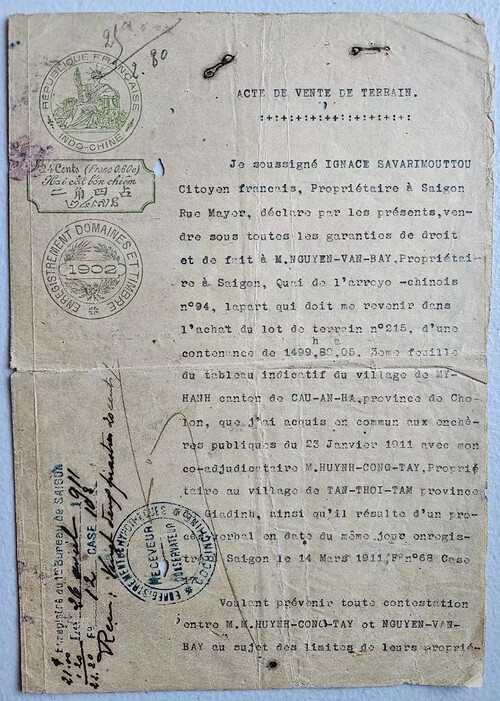
This explained why the stakes were so high and why the letters had to be hidden so carefully in the attic.
The Woman in Black Unmasked
Through the lawyer’s notes, Martha finally learned the identity of the woman in the black veil. She wasn't a villain, but Elodie’s younger sister, who had been brainwashed by the rival cousins. She had reportedly spent years searching for Elodie, not to harm her, but to warn her that the cousins were planning to use legal loopholes to claim the estate. The "fear" Elodie felt was based on a misunderstanding of her sister’s intentions.
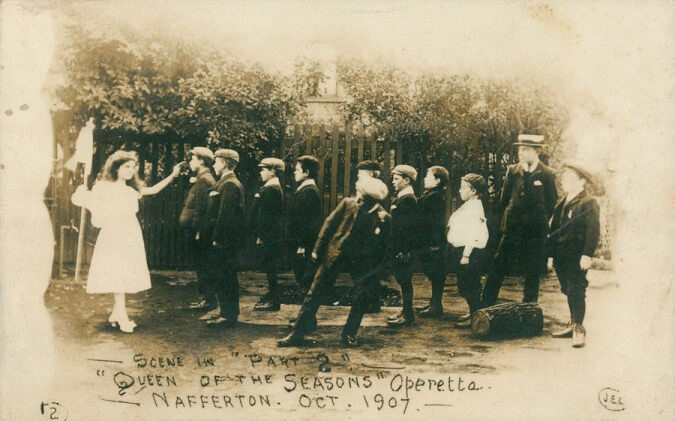
This tragic realization showed how secrecy and lack of communication had turned potential allies into figures of terror for decades within the family.
The Emeralds’ True Origin
A gemologist examined the emeralds in the silver bird and confirmed they were "Old Mine" stones from Colombia, likely brought to Europe in the 1700s. They were of "museum quality," worth more than the silver housing itself. The gemologist noted that stones of this caliber were often used in crown jewels or high-ranking ecclesiastical items. This added a layer of historical significance to the find.
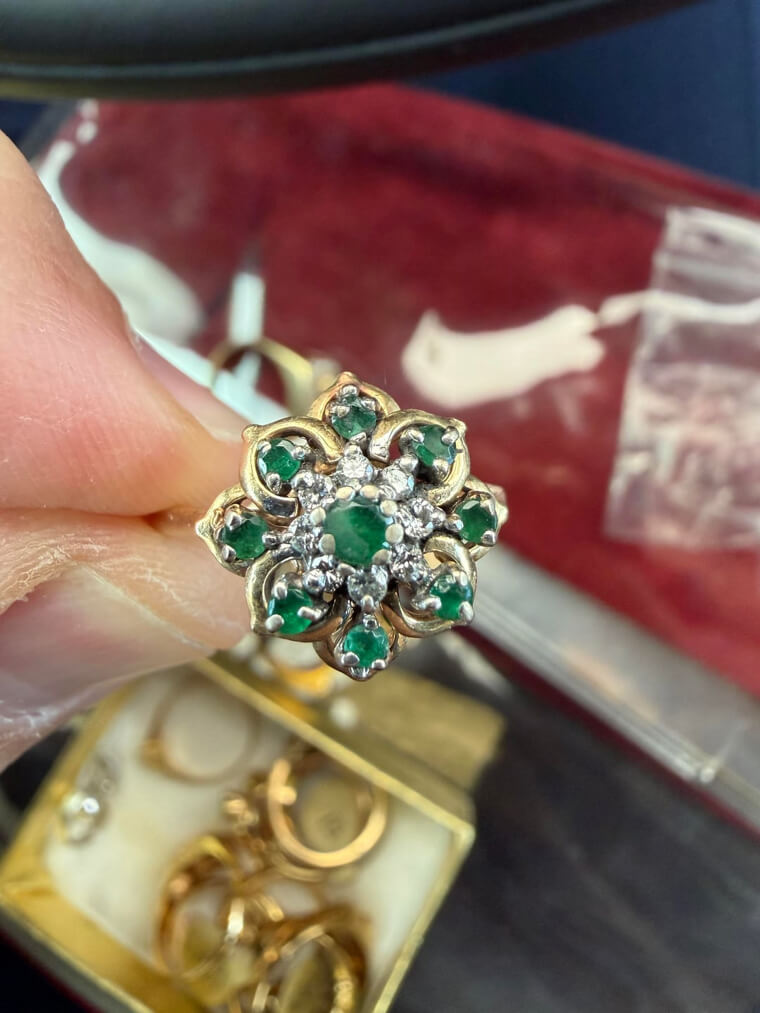
It suggested that Martha’s ancestors had been entrusted with items of immense cultural value during times of war, further complicating the legal battle for their rightful return to the family.
The Missing Brother Found
While Arthur was the child from the photograph, the letters mentioned a third birth certificate. Martha’s search eventually led her to a small village in the UK, where a man named Thomas lived. Thomas had been raised by the lawyer, Mr. Sterling, after being evacuated during the Blitz. He had no idea he had siblings in America. When Martha reached out, Thomas reportedly broke down in tears.

He had spent a lifetime feeling like a "puzzle piece that didn't fit anywhere." The three siblings were finally accounted for, bridging the gap across the Atlantic.
The Final Piece of the Puzzle: The Key
In the very last envelope Martha opened—one that had been stuck to the bottom of the trunk—she found a small iron key with a tag that simply said "The Gate." Arthur remembered a small iron box in his own attic that he could never open. When Martha brought the key to him, they opened the box to find the original diary of the French noblewoman who had started the entire lineage.
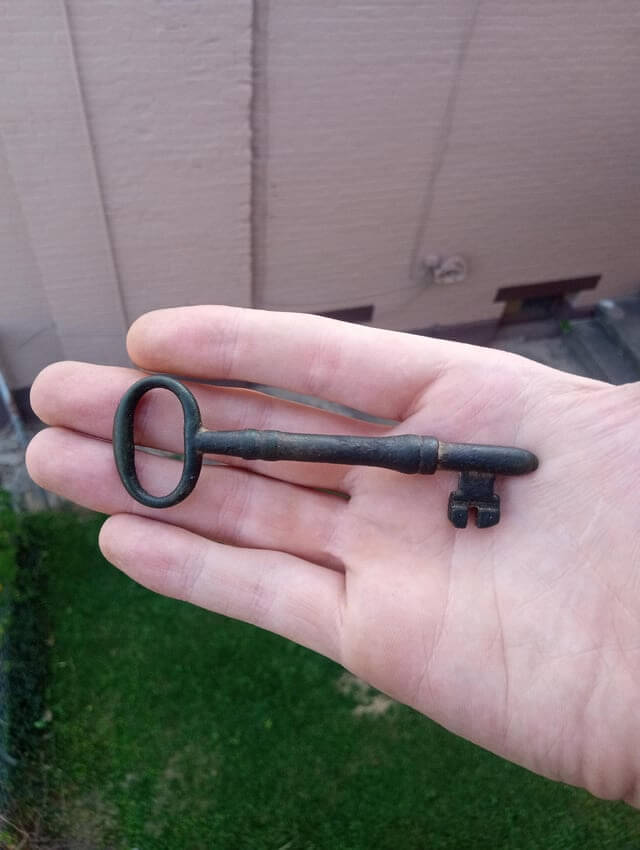
This diary provided the missing context for why the family had to flee and why the silver bird was the only thing they took with them.
The Legal Battle for the Estate
With the three siblings (or their representatives) united and the silver bird complete, they filed a claim for the estate in France. The process was reportedly met with heavy resistance from the descendants of the "rival cousins," who had occupied the property for seventy years. However, the letters Martha found in the attic were admitted as evidence of "continuous intent" and "clandestine ownership."
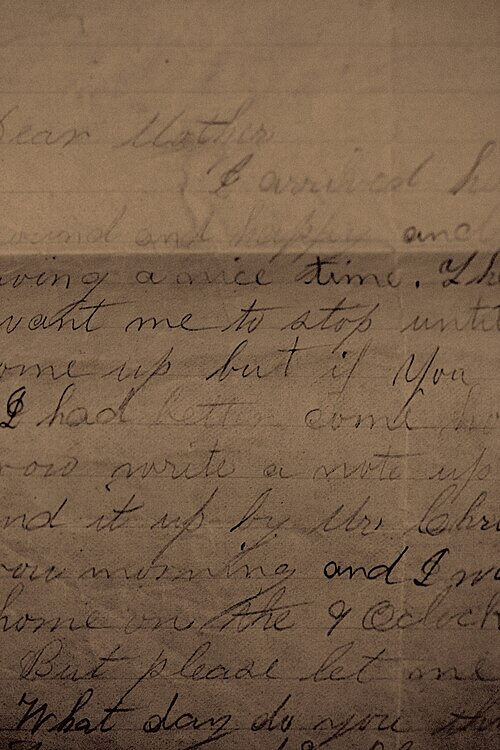
The casual nature of the letters provided a human element that the cold legal documents of the rivals couldn't match, swaying the court in favor of Martha’s long-lost family.
The Restoration of the Silver Bird
Martha decided to have the silver bird professionally restored. During the cleaning, the jeweler discovered a tiny inscription on the inside of the wings. It was a poem about a bird that flies across the sea to find its nest. This was allegedly a code used by the family to verify their identity to other members of the "Silent Guardian" network. The beauty of the restored piece served as a symbol of the family’s resilience.
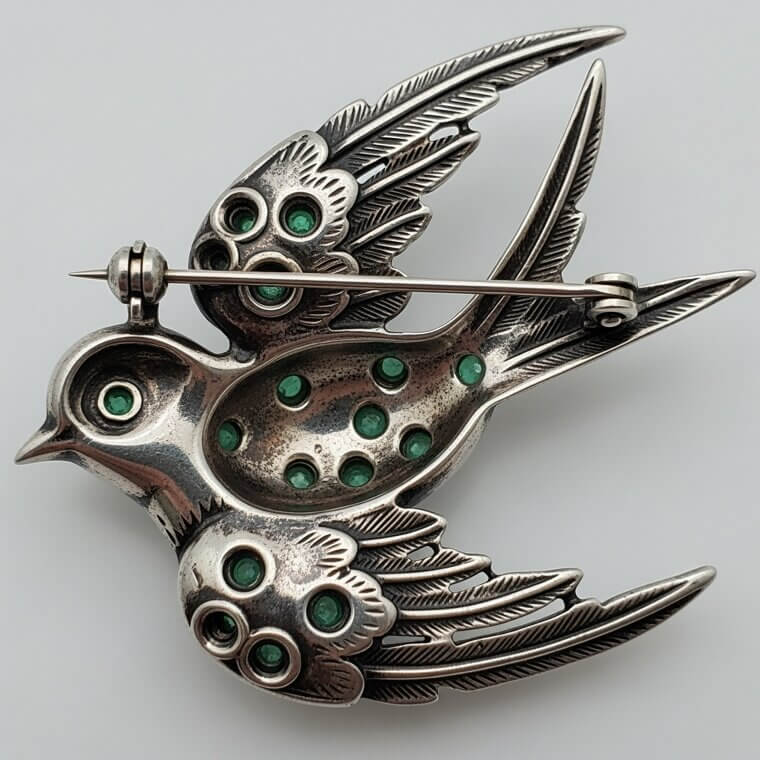
What was once broken and scattered across two continents was now shining and whole, just like the family Martha had discovered.
The Family Reunion Dinner
Martha hosted a dinner for Arthur, Thomas (who flew in from London), and their respective children and grandchildren. They sat around the same table where the letters had first been read. They shared stories, photos, and the newfound knowledge of their noble heritage. The atmosphere was one of profound relief and joy. Martha realized that the "simple discovery" in her attic hadn't just given her a story.

It had given her a massive, vibrant family that she had never known existed, proving that it’s never too late to find where you belong.
The Fate of the Attic Letters
Martha decided to donate the thirty-five letters to the state historical society, but only after making digital copies for every family member. The letters were hailed as a "masterpiece of social history," documenting the immigrant experience and the impact of the war on personal lives. The letters allegedly became a popular exhibit, inspiring others to look into their own family histories. There was something important about making those letters public.
Martha felt that by sharing the letters, she was finally giving Julian and Elodie the voice they had been forced to suppress for most of their lives.
The Legacy of the Letter in the Attic
Today, Martha spends her time traveling between Vermont, Quebec, and London, staying with her "new" brothers and cousins. The silver bird is kept in a secure museum vault, but a replica sits on Martha’s mantelpiece. She often looks up at the attic door and smiles, knowing that the dust and cobwebs were hiding the greatest gift she could ever receive. The mystery of Halcyon Creek was finally solved.

And the family history was rewritten from one of loss and fear to one of triumph, connection, and enduring love.
The Mystery of the Unsent Response
Among the archives in France, Martha found one final piece: a letter Julian had written but never sent to Elodie. In it, he described the exact moment he realized he had to stay away to keep her safe. He wrote about seeing her from a distance at a park in 1952, watching her push a stroller, and how it was the "hardest and most beautiful moment" of his life.
This confirmed he had reportedly been the "Silent Guardian" himself for a time, living in the shadows nearby just to ensure his family was breathing the same air.
The Hidden Meaning of the Blue Ribbon
Martha learned from an old family friend that the blue silk ribbon tying the letters was significant. In their region of France, a blue ribbon on a bundle of letters allegedly signified a "blood oath" or a promise that could not be broken even by death. This explained why Elodie had kept the letters even when they were a liability. To her, the ribbon was a physical manifestation of her bond with Julian.
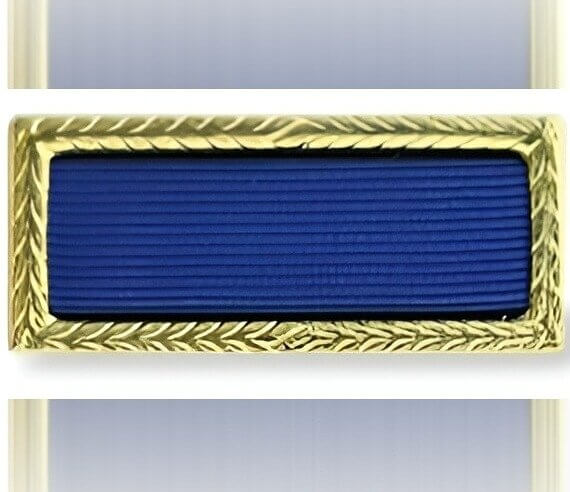
It wasn't just a fastener; it was a sacred seal that Martha had unknowingly broken to release the truth back into the world.
The Impact on the Next Generation
Martha’s grandchildren have taken a deep interest in their newly discovered roots. One of her grandsons is now studying French history, and a granddaughter is a gemologist. The story of the "Letter in the Attic" has become a family legend, taught to the youngest members as a lesson in perseverance and the importance of knowing one's past. The discovery reportedly changed the career paths and identities of the younger generation.
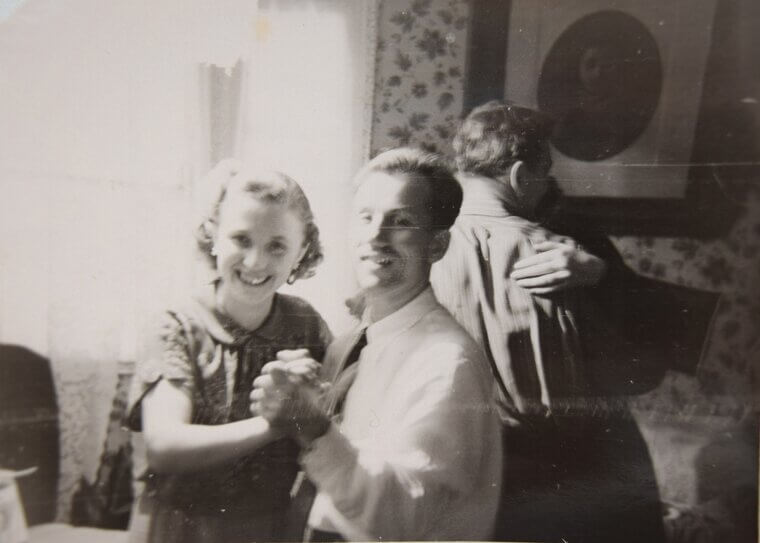
It gave them a sense of pride and a connection to a world much larger than their small Vermont town.
The Final Resting Place
Martha, Arthur, and Thomas eventually traveled to the site of the now-underwater Halcyon Creek. They took a boat out to the spot where the old chapel once stood and released lavender petals into the water. This was a symbolic burial for the lives Julian and Elodie were forced to abandon. They felt that by acknowledging the pain of the past, they were finally allowing their ancestors to rest in peace.

It was a quiet, emotional moment that marked the official end of the mystery and the beginning of their shared future.
The Echoes of the Past
Even now, Martha sometimes thinks she hears the rustle of paper in the attic. She realizes that history isn't just something that happened; it’s something that lives within us. The letters were just the beginning. Every family has a "trunk in the attic"—whether it’s a physical box or a story whispered at a funeral. Martha’s journey proves that if you have the courage to look, the truth can set you free.

And it can set you free in ways you never imagined, turning a simple discovery into a lifelong adventure of the heart.